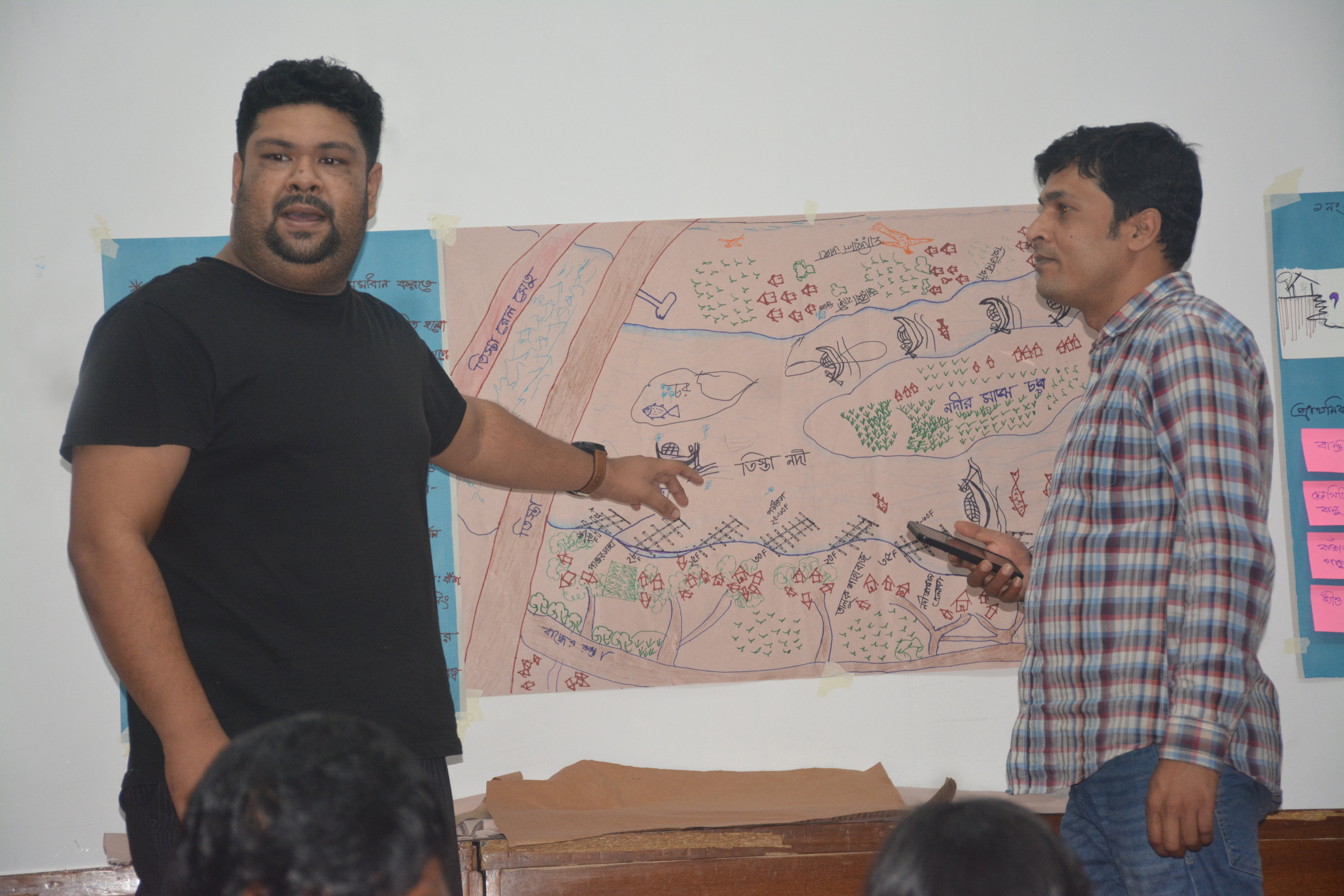
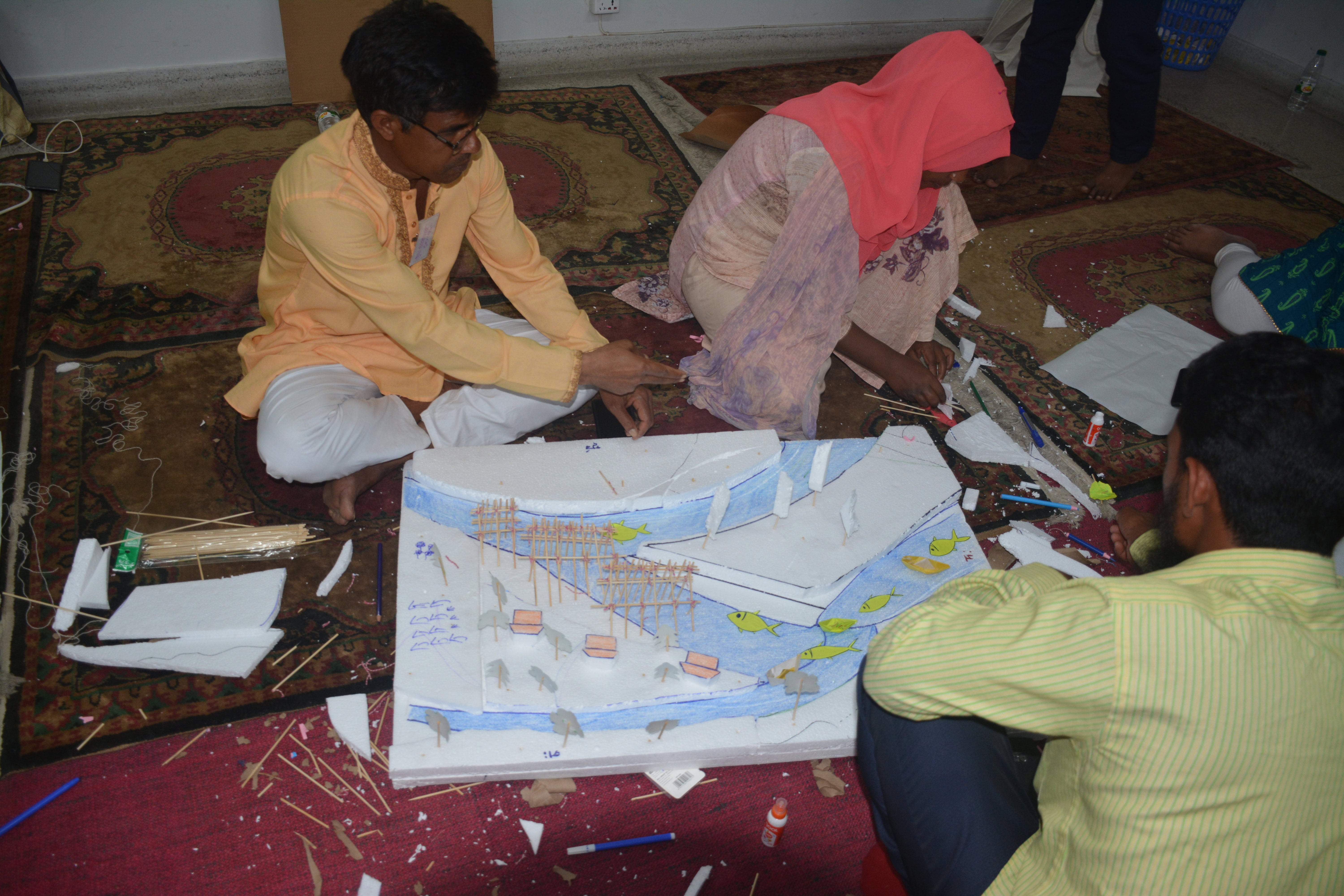
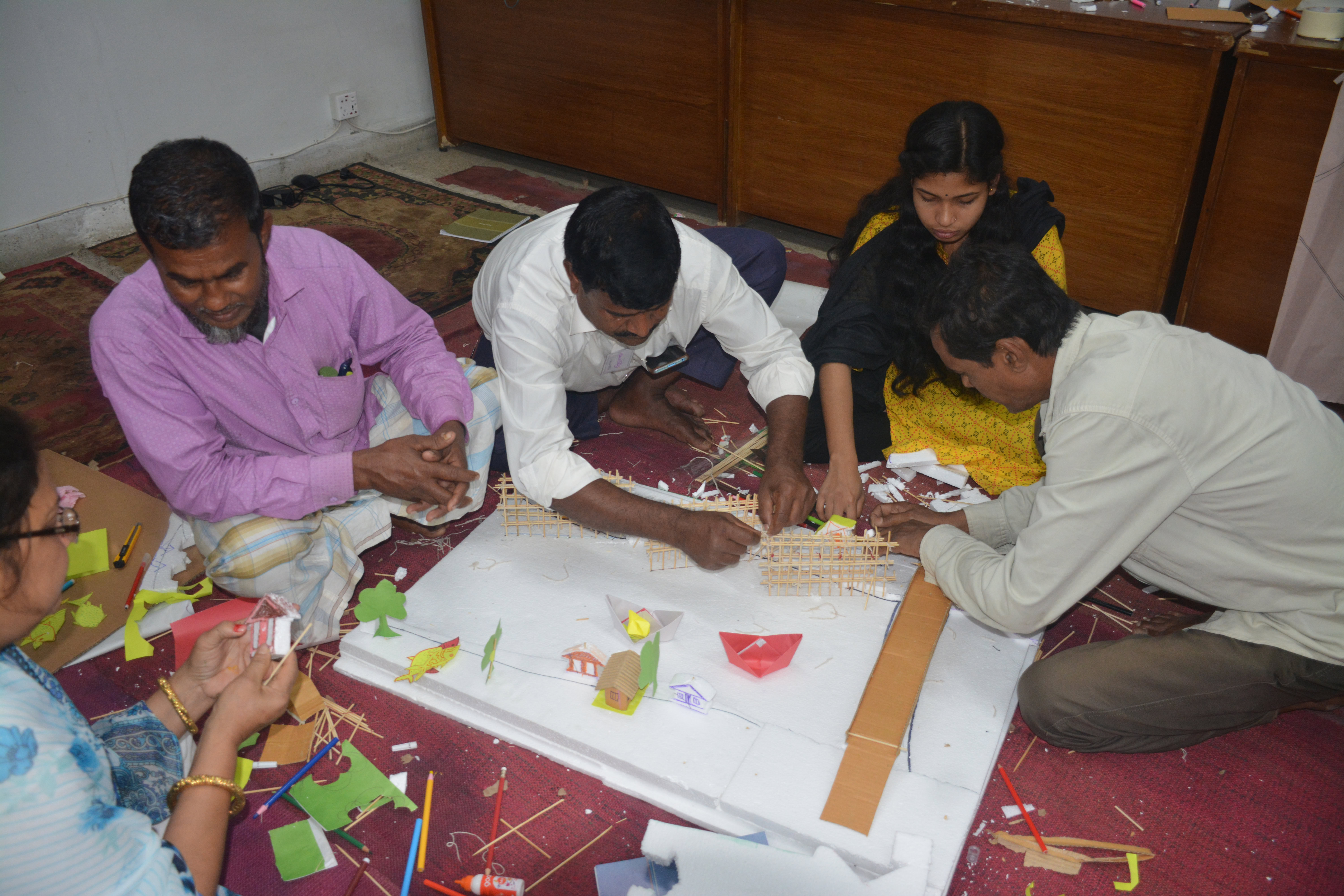
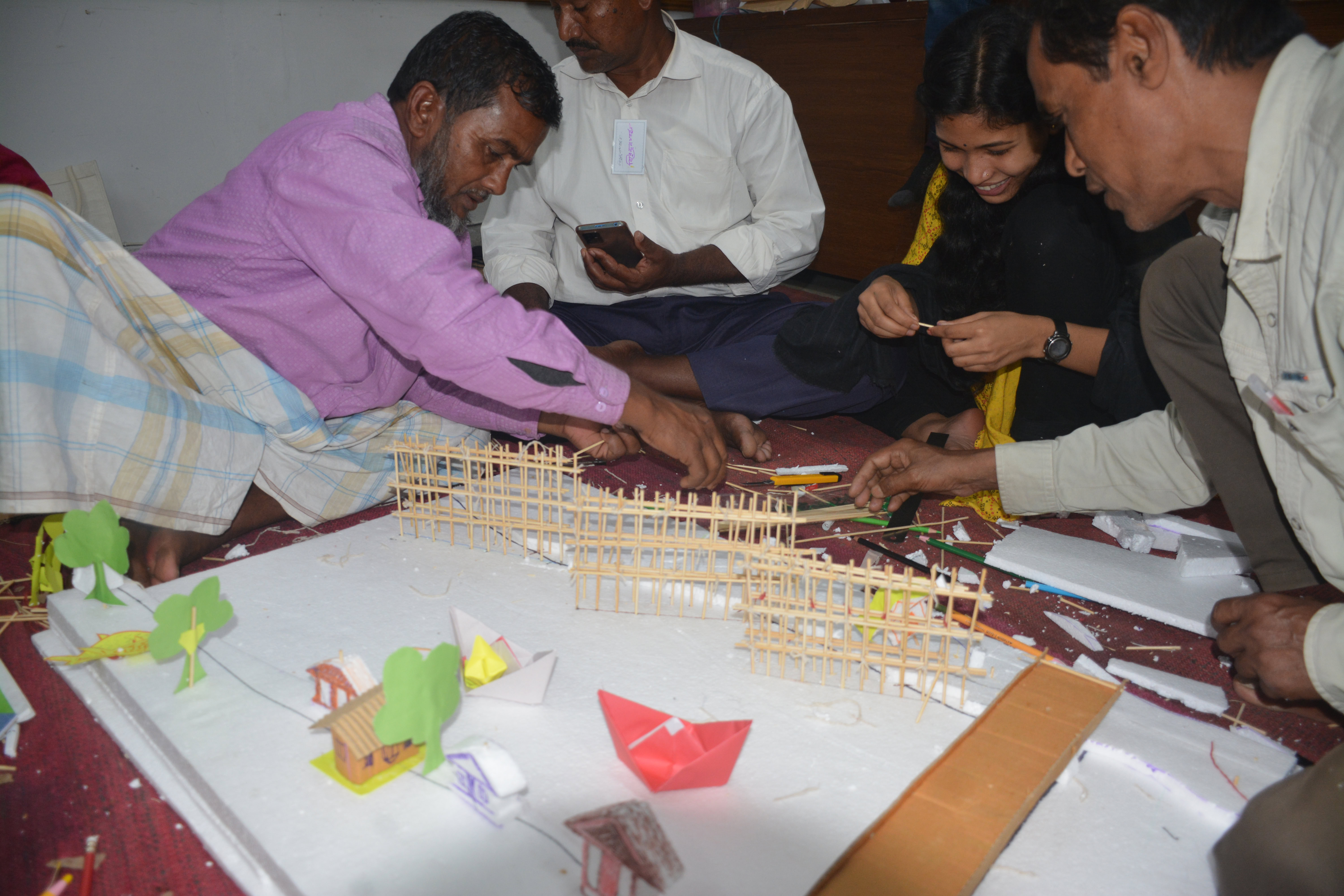
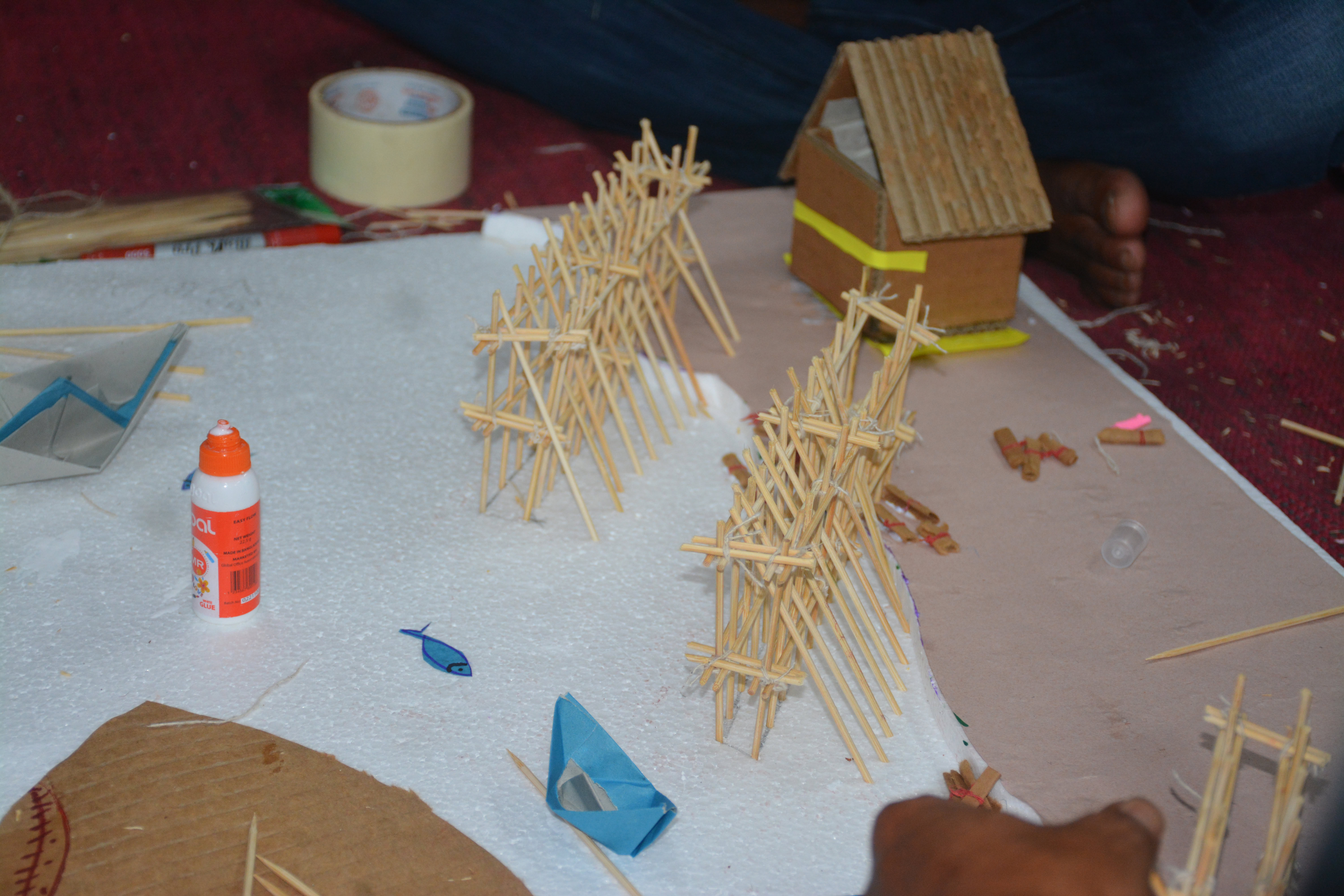
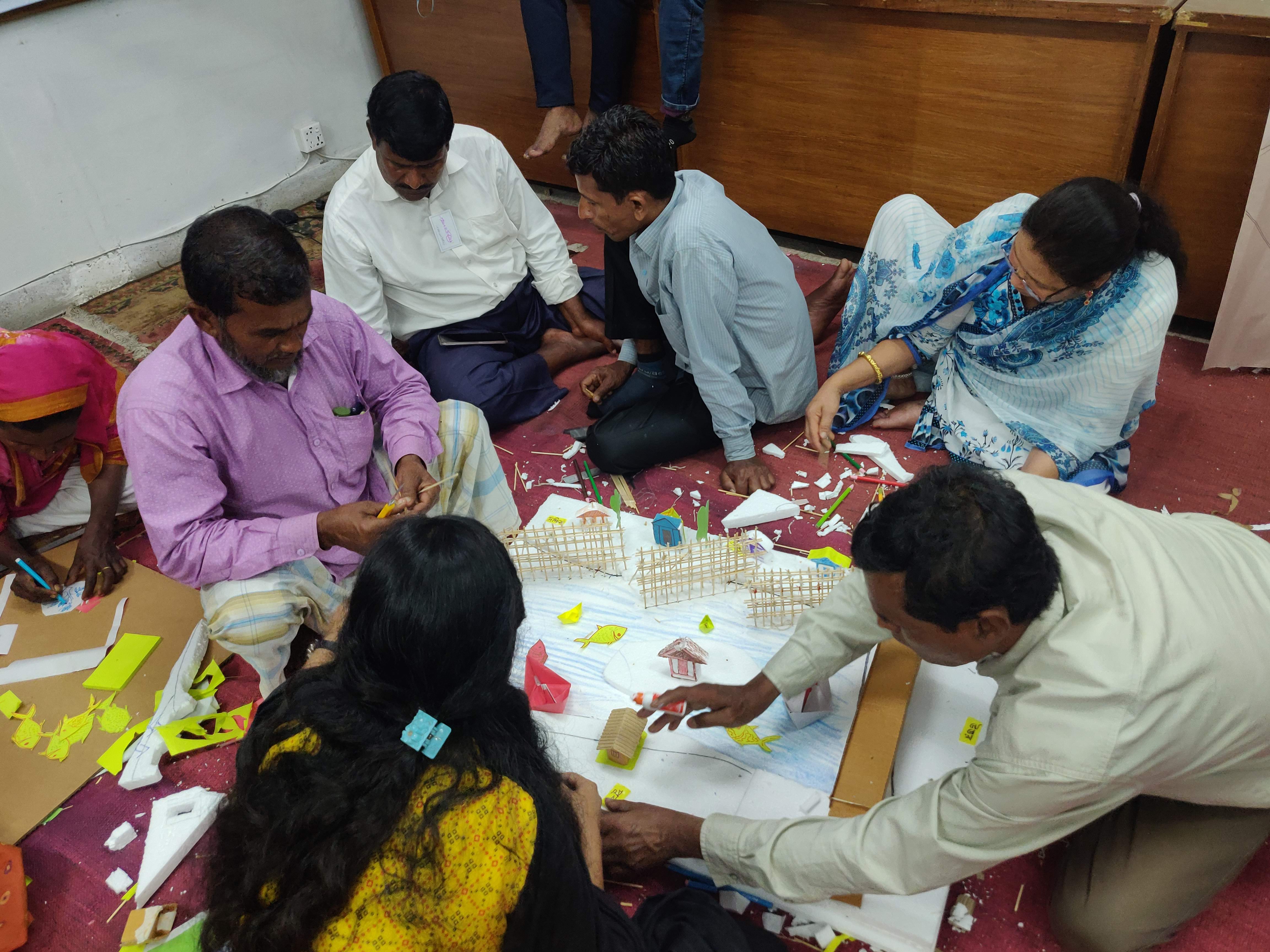
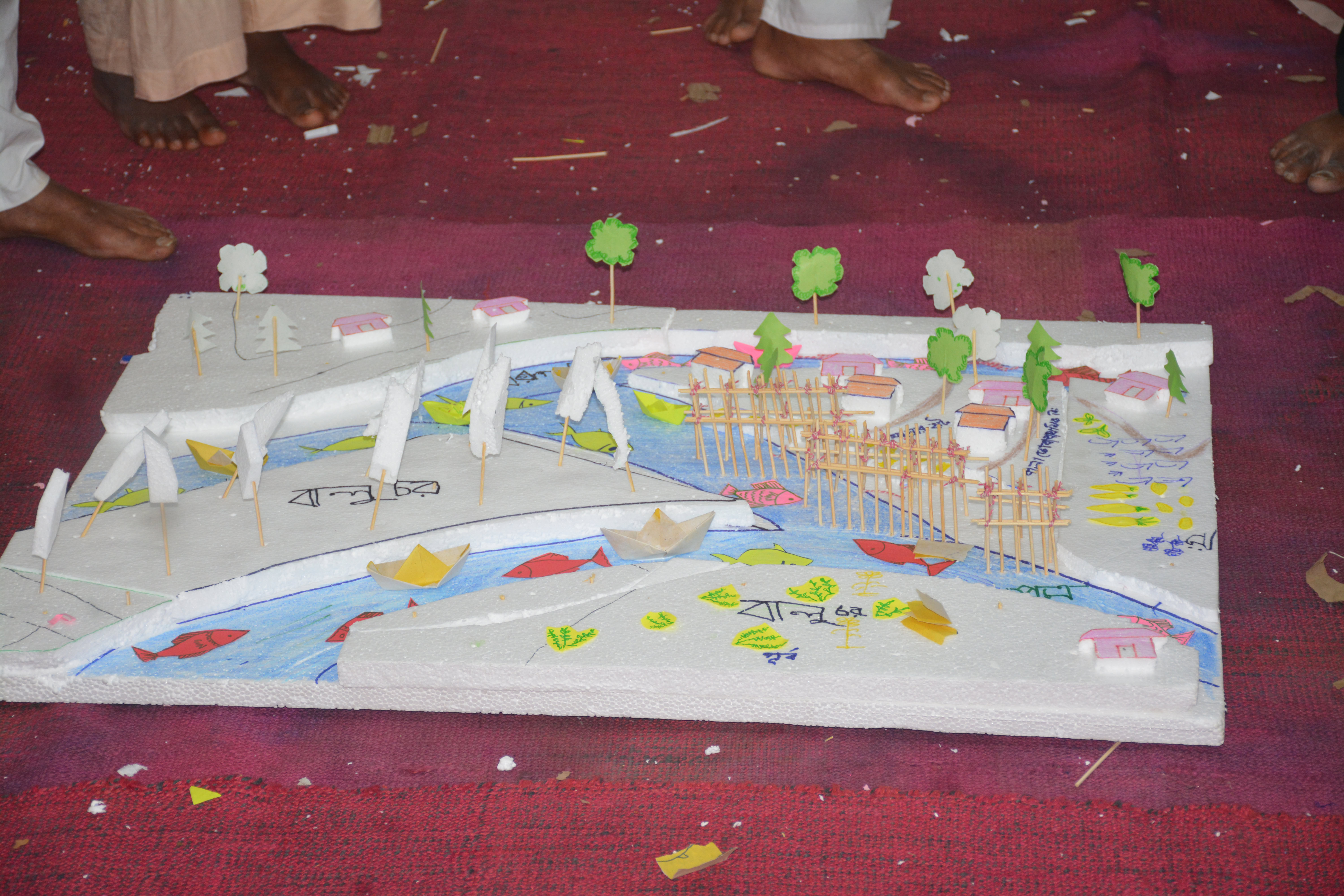
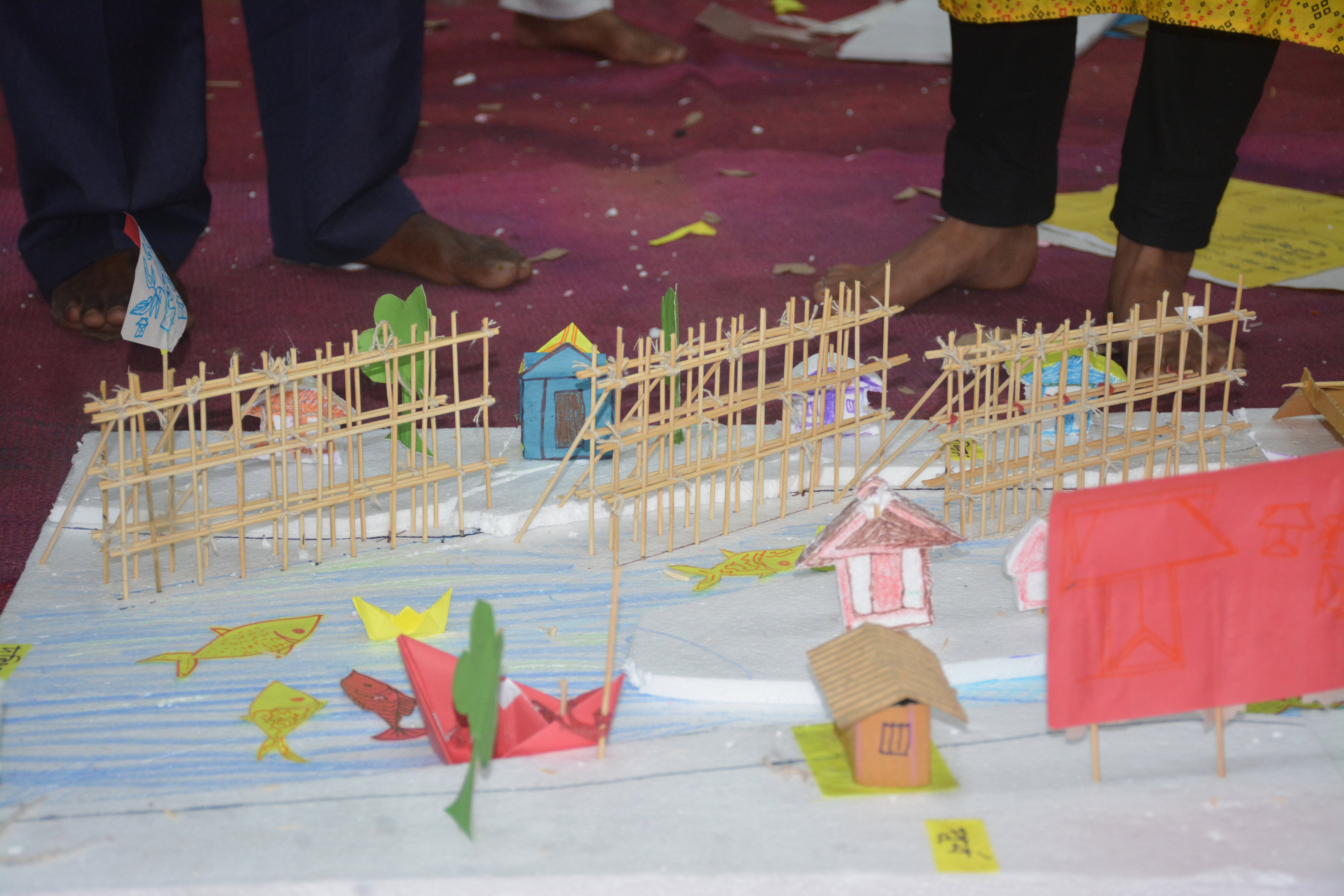
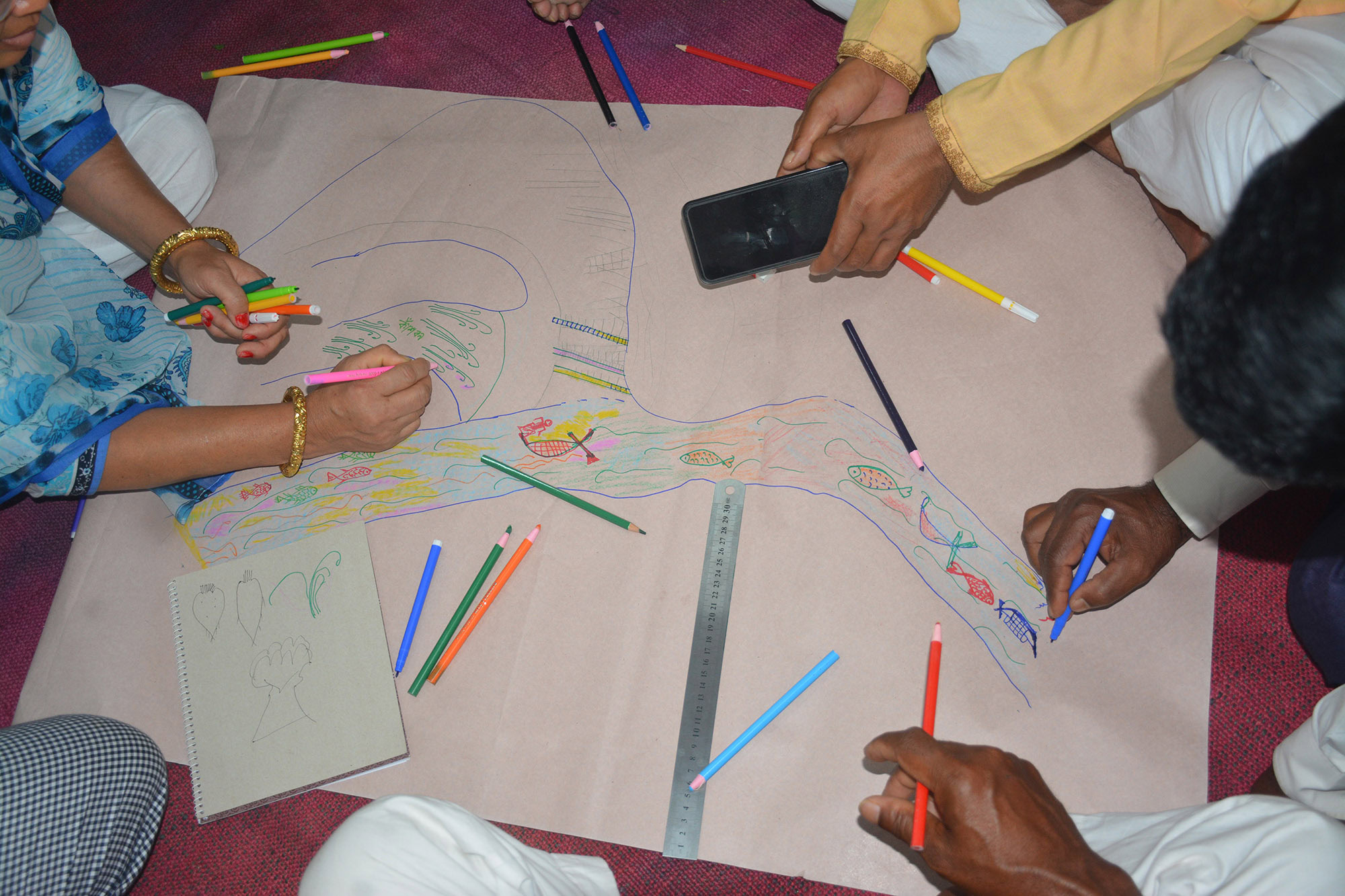
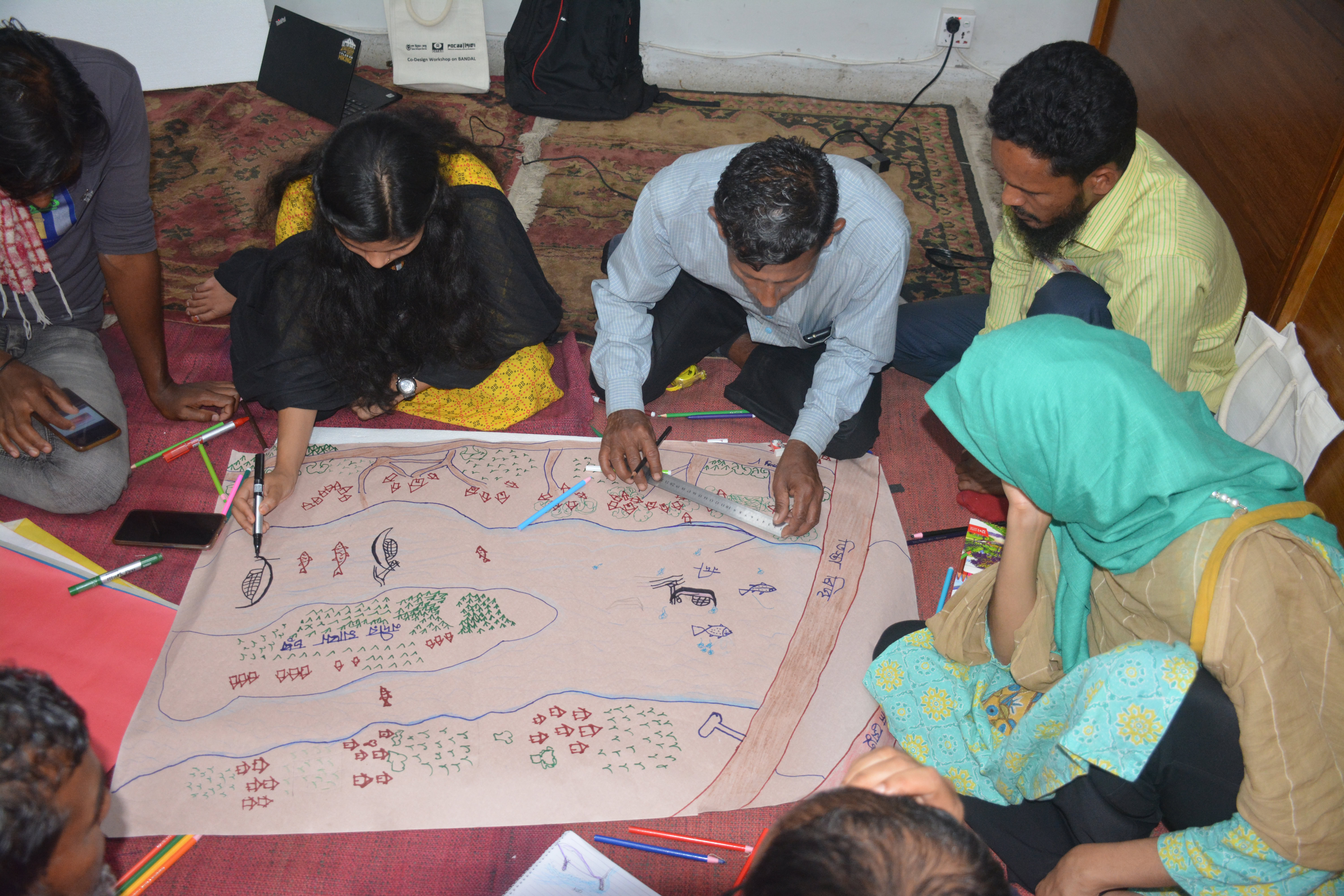
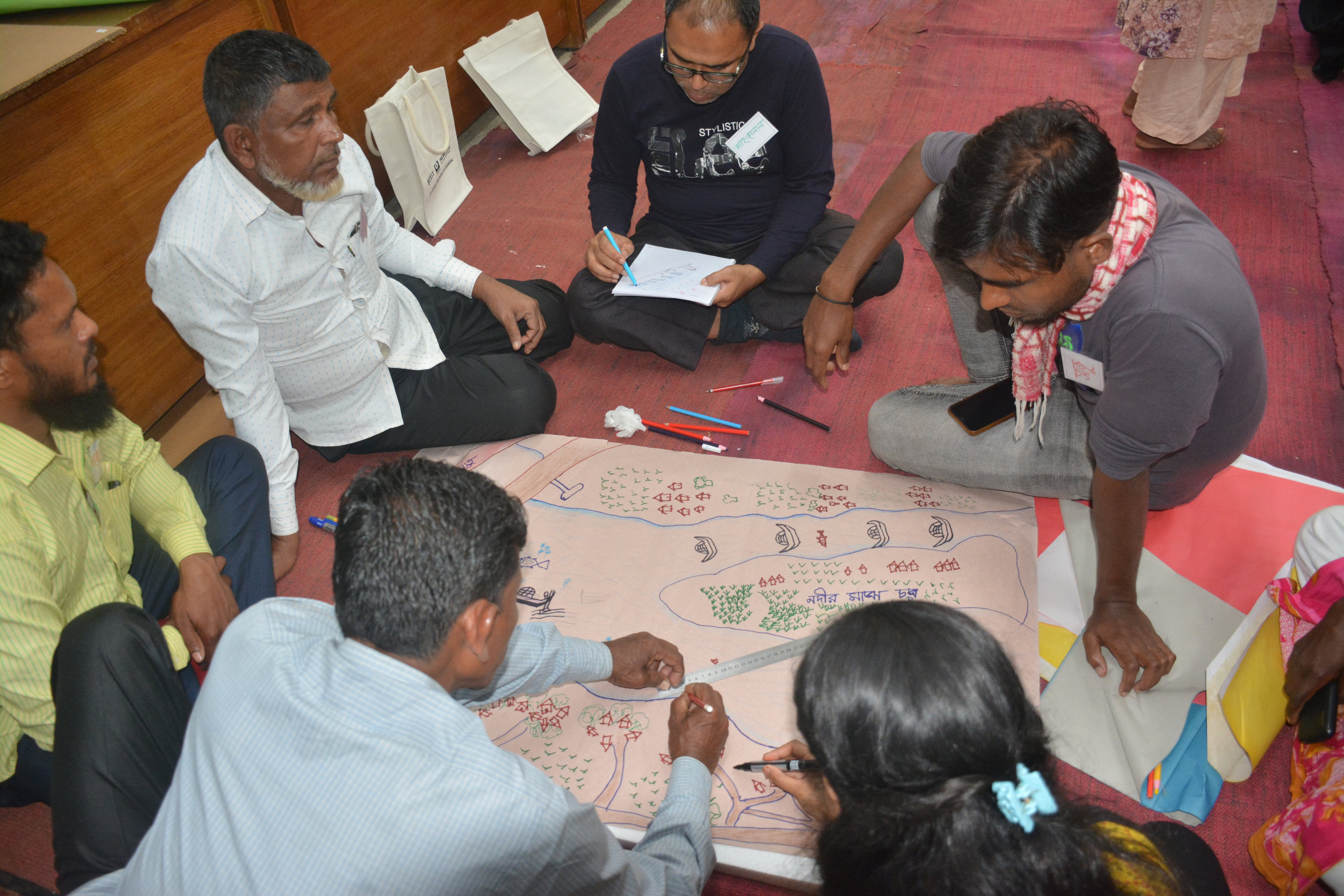
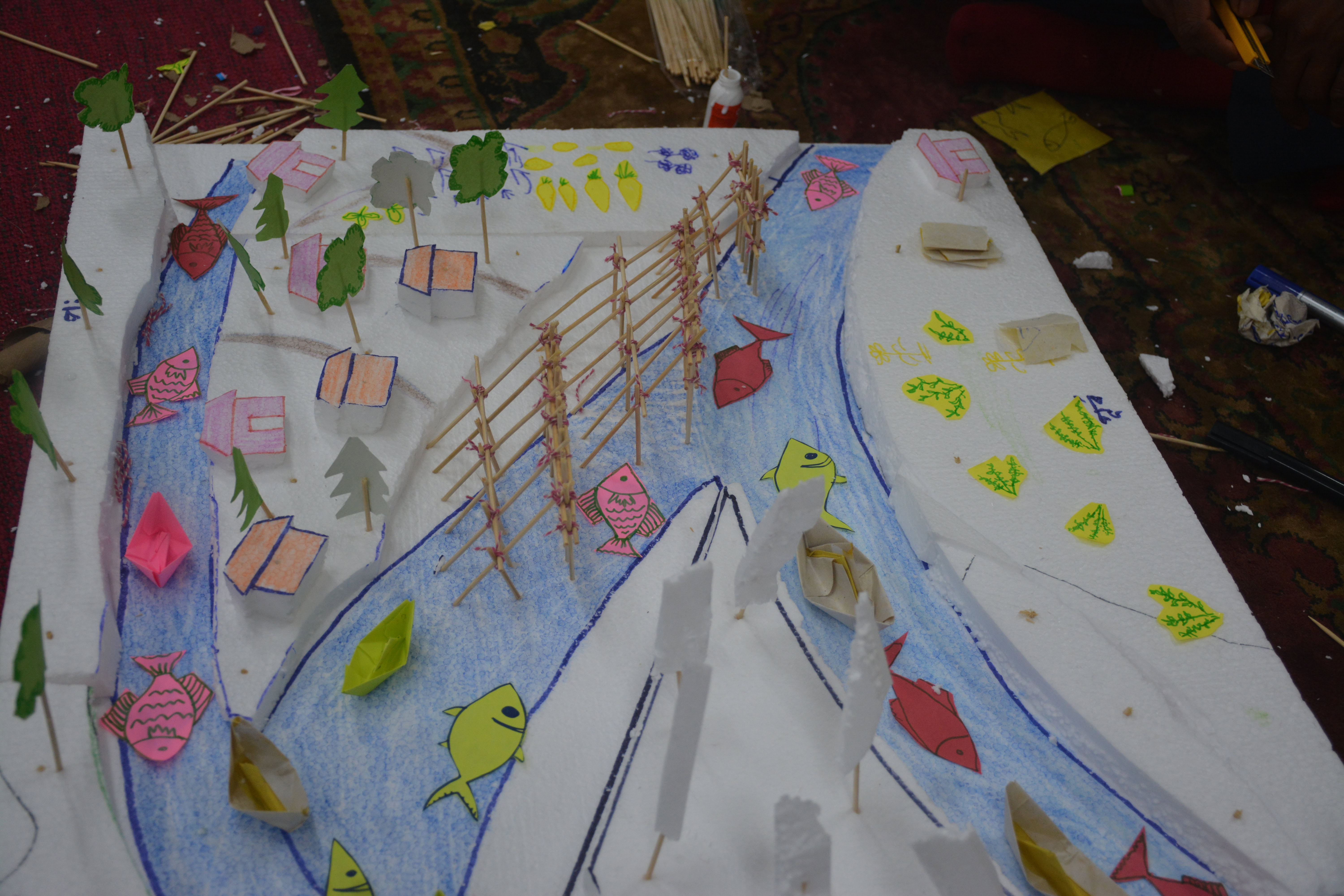
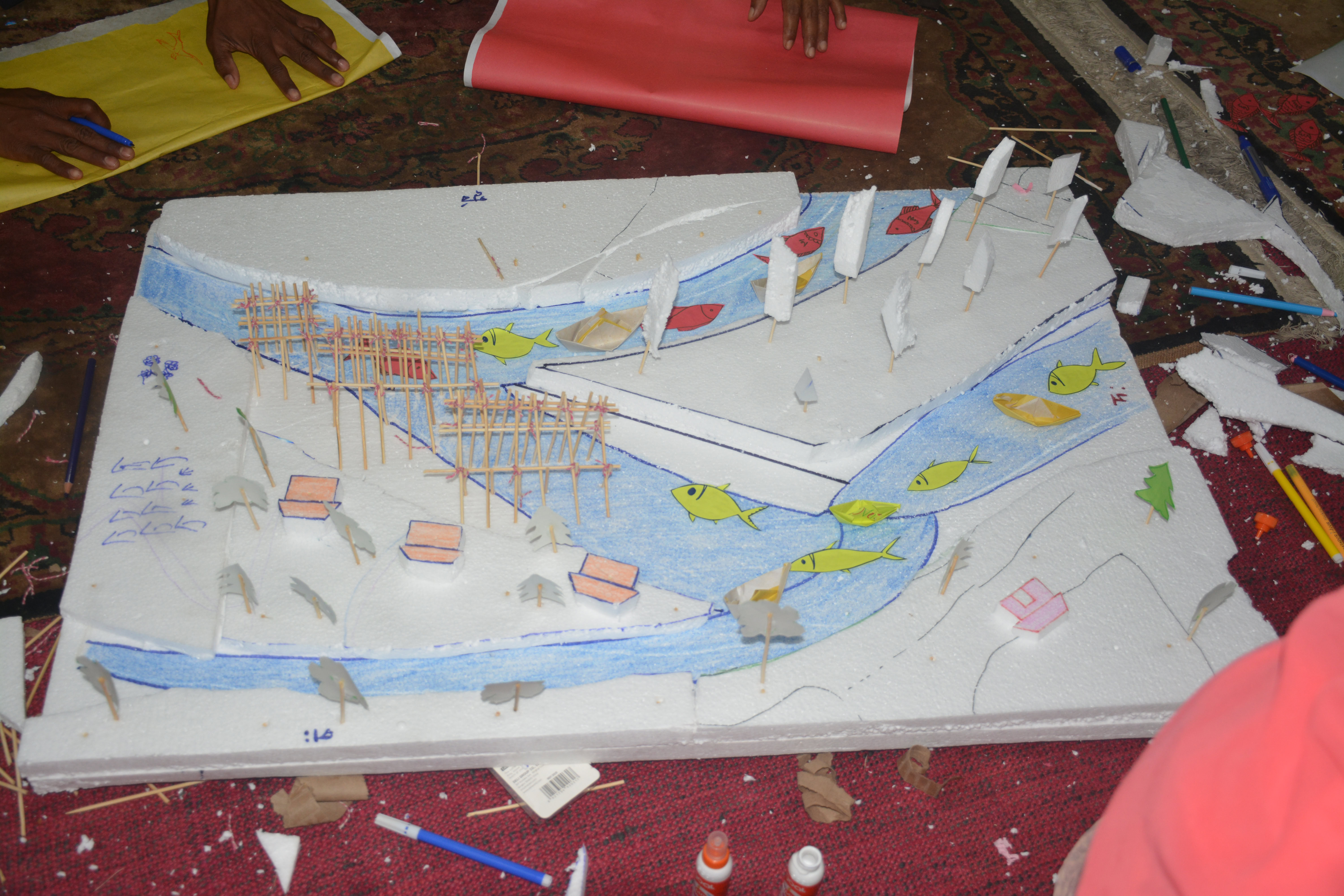
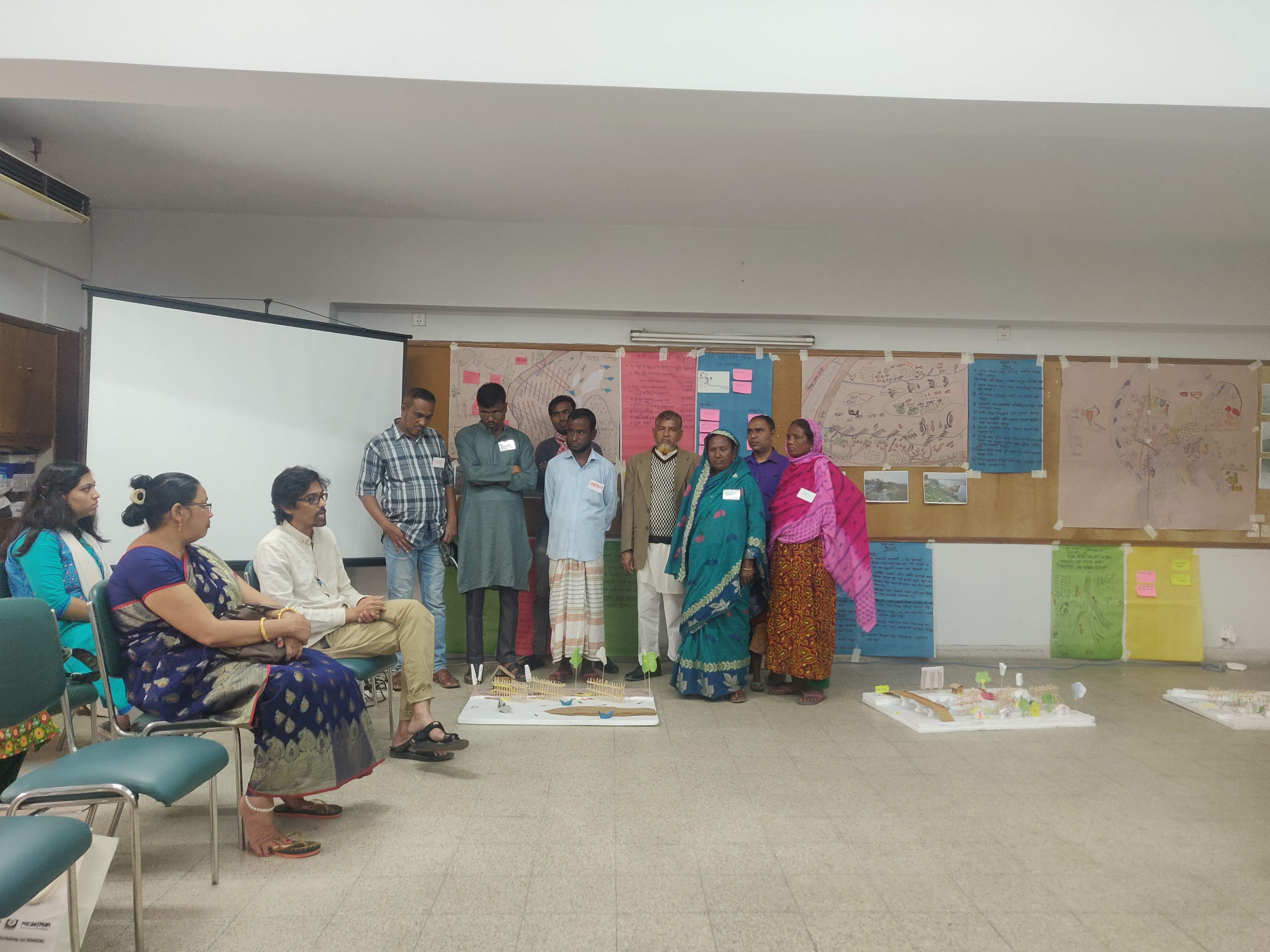
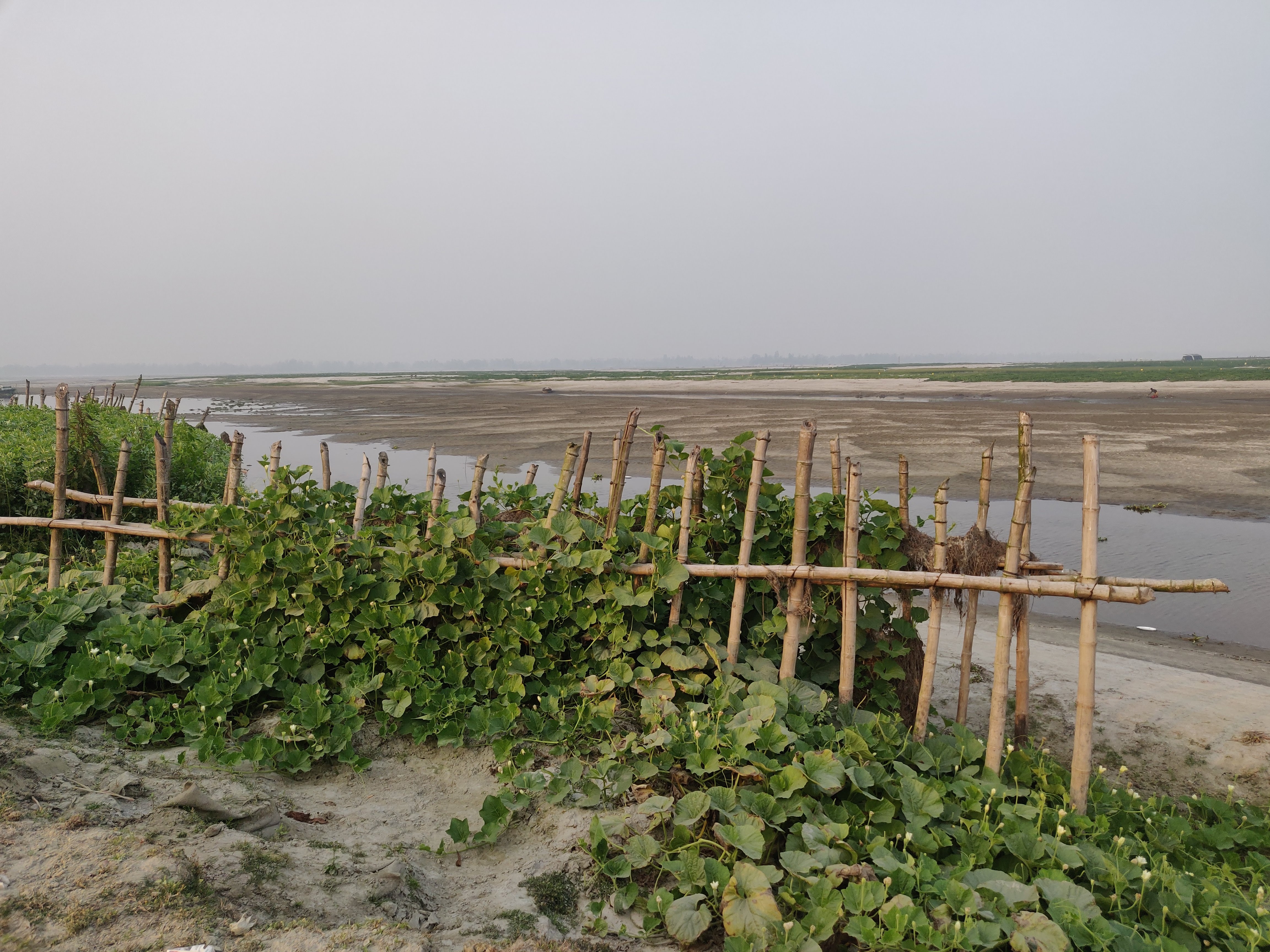
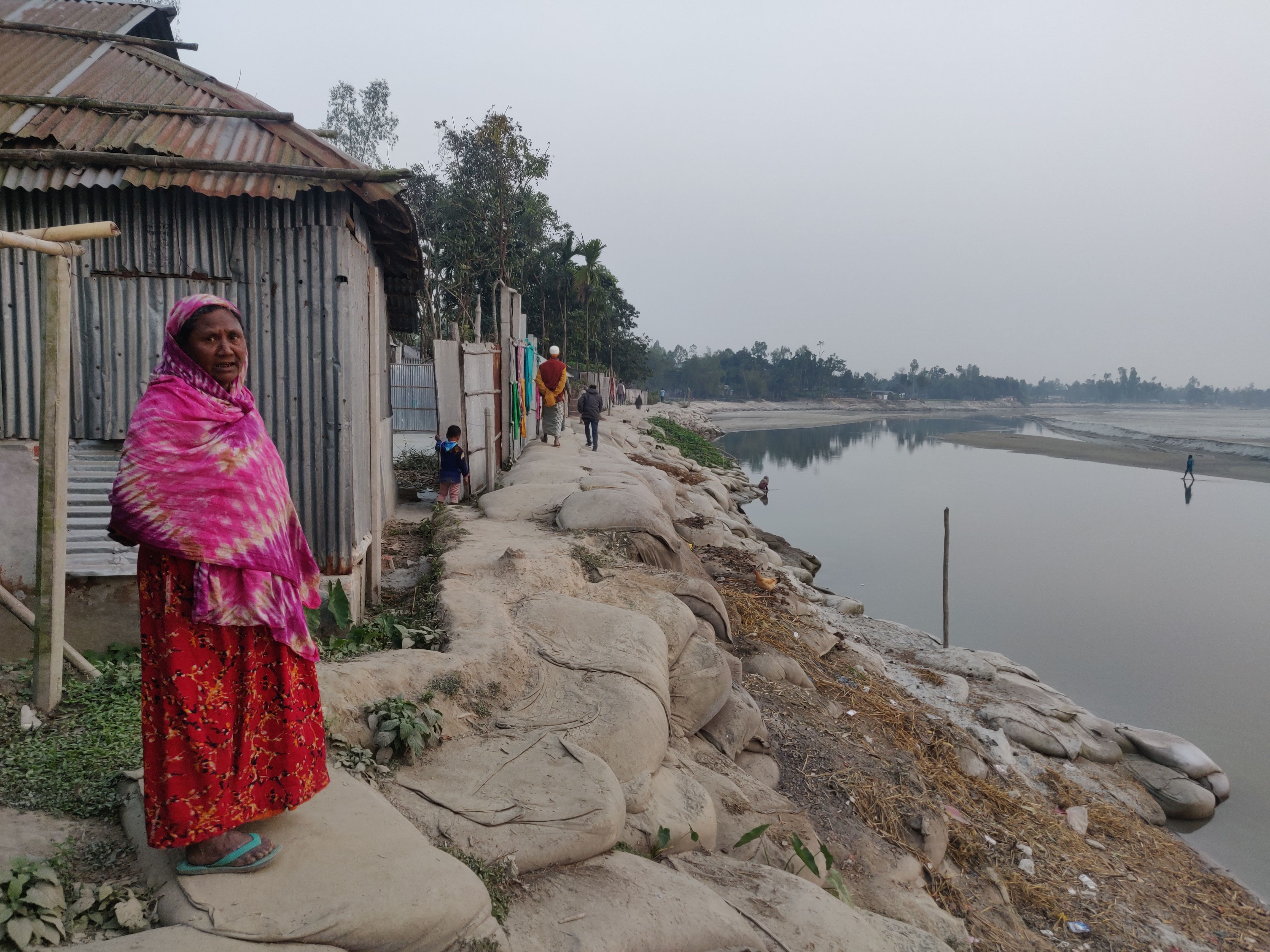
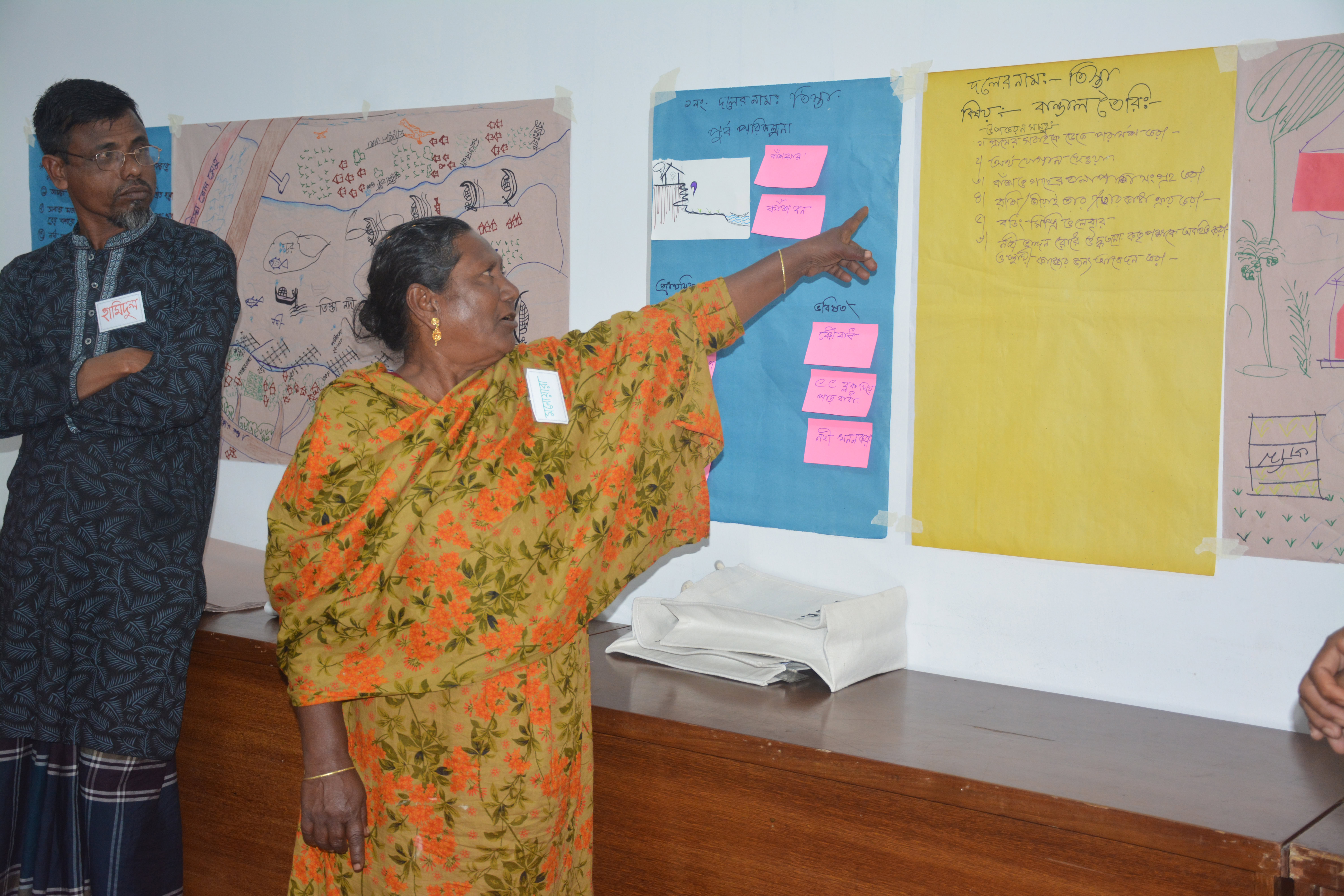
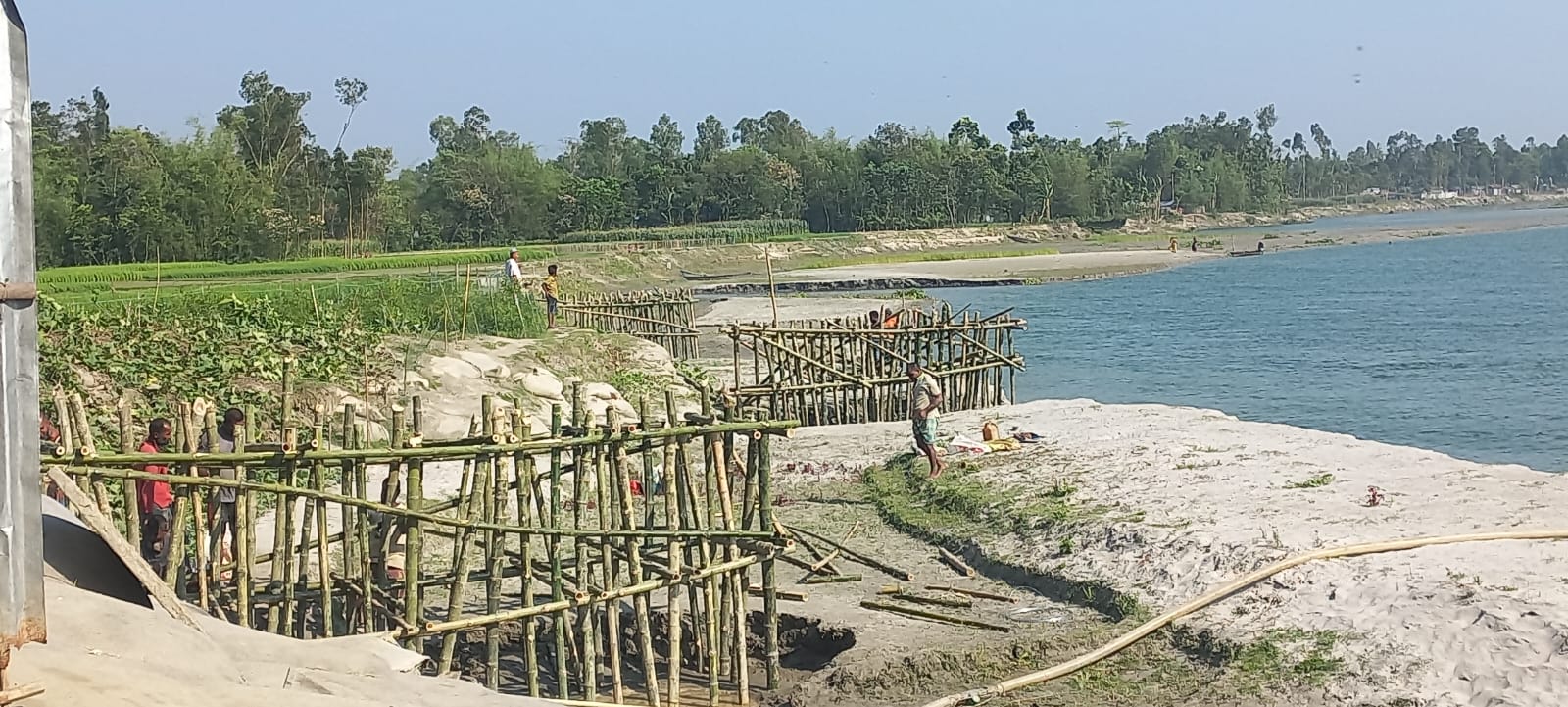
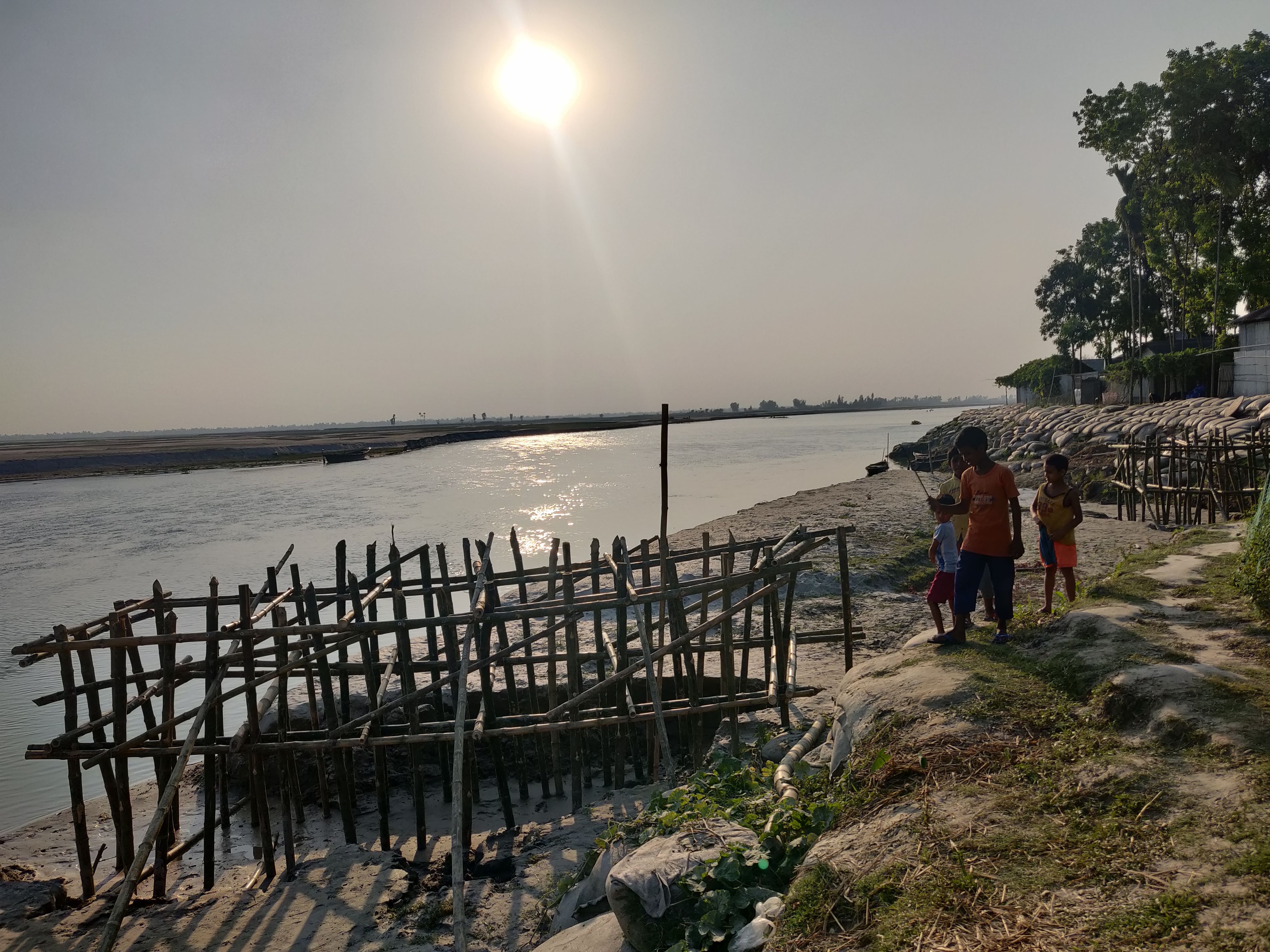
The main objective of this project is to scale up and promote Bandal as a community-led erosion management (CLEM) by exploring, incorporating and integrating innovations and new ideas with BANDAL through social architecture. Specific objectives are as below-
1. Incorporating and integrating innovations and new ideas with Bandal through bridging
engineering and social architecture approach.
2. Develop technical guidelines on Bandal in a simplified form for outer audience, including operation and maintenance process of it.
3. Promoting CLEM cases through learning-sharing and exhibition.
4. Advocacy for influencing local level government to mainstreaming Bandal.
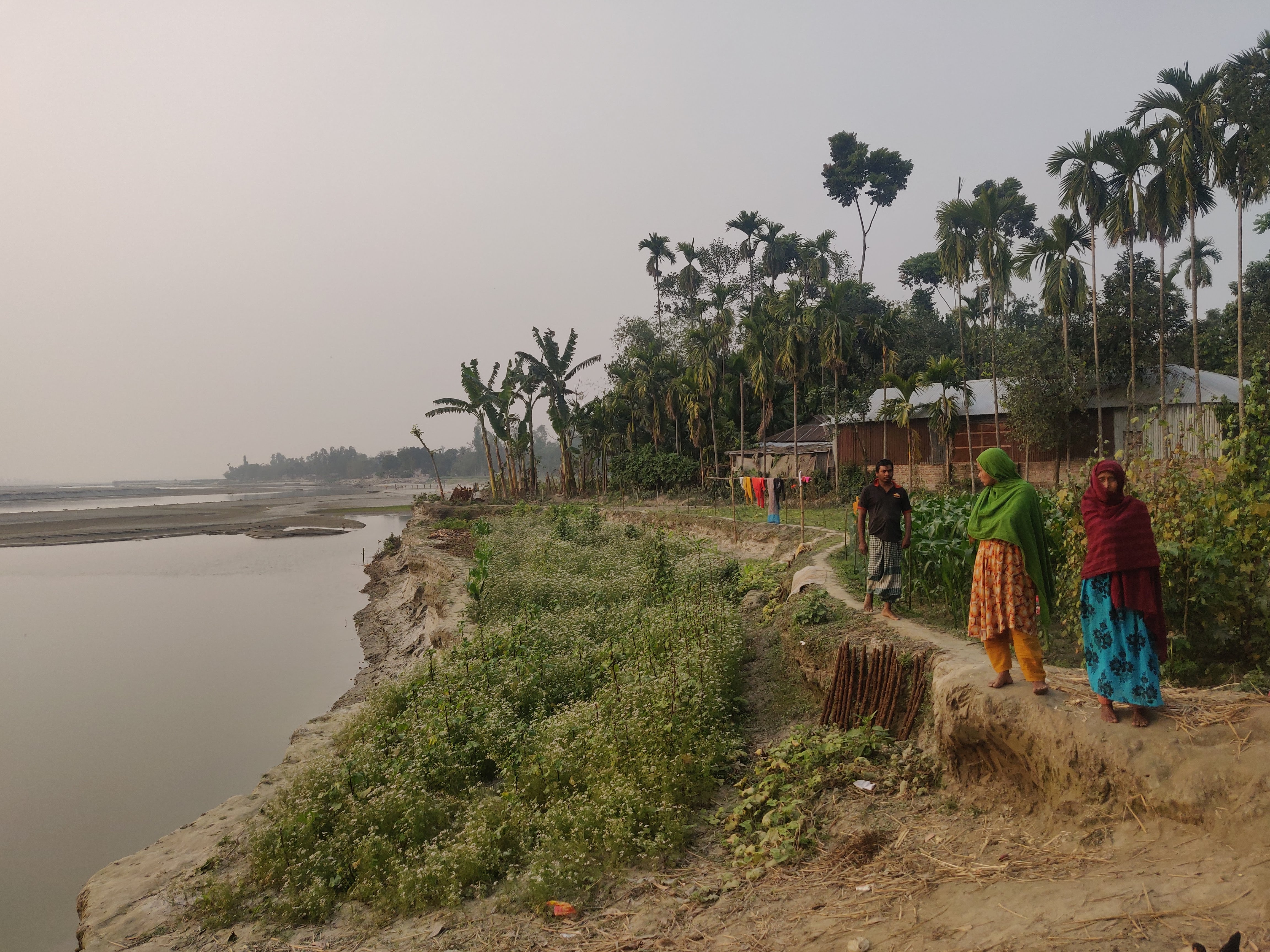
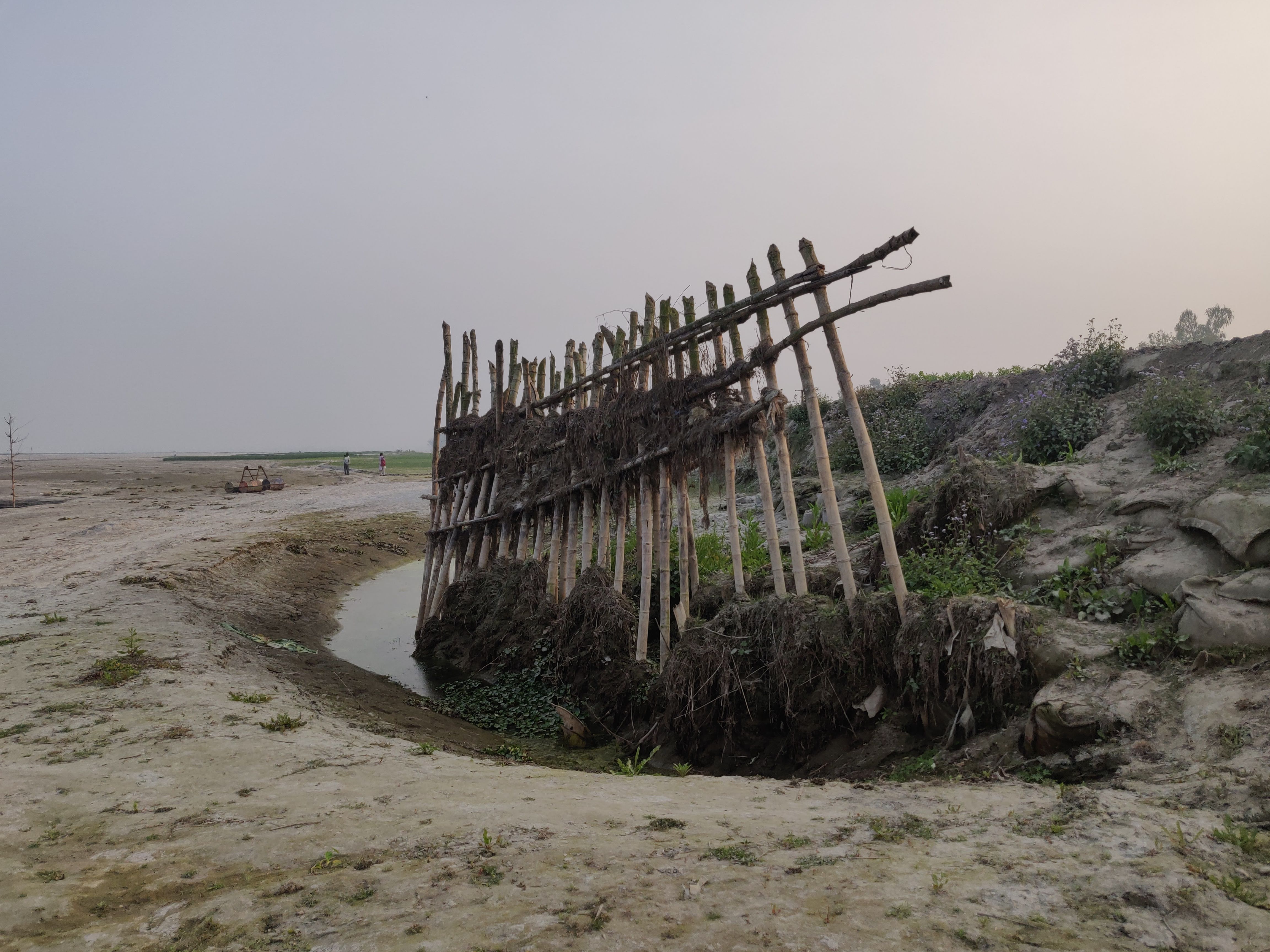
In Bangladesh, the largest delta in the world, river erosion is one of the major natural hazards. Thousands of people lose their houses and livelihood every year. River erosion is sometimes taken into account as part of flood management efforts, and it receives very little attention as a separate hazard. The impacted and at-risk communities act in accordance with their own capacity, knowledge, and experience. ‘Bandal’ is one such community-led eco-friendly solution for preventing river erosion and it has been adapted in many erosion prone areas in the northern part of Bangladesh. In Brahmaputra, Teesta and Jinjiram river under the Transboundary Rivers for Our Sustainable Advancement (TROSA) project, Oxfam has implemented some bandals and seen its positive impact as a sustainable, environment friendly, less costly, community-led initiative that can outsmart dikes in regards of its socio-ecological benefits. As Oxfam wants to step ahead to promote this indigenous practice against riverbank erosion, they invited POCAA (Platform of Community Action and Architecture) specifically for scaling up and bridging engineering and architecture with community knowledge and practices.
Gana Unnayan Kendra (GUK) has been implementing the Innovation for Climate Justice and Natural Resource Rights (I4CJNRR) project supported by Oxfam. The project aims co-production of solutions and collaborative action for better adaptation by poor, vulnerable and marginalized communities to climate change, addressing unfair distribution of the climate change impacts and natural resource access. For replicable models of climate and environmental actions like Bandal to be placed and implemented through community and local leadership, GUK wants to explore innovative ideas to scale it up through social architecture.
POCAA is a platform where people from different backgrounds with the interest of working with underserved communities engage with each other. POCAA has been co-creating various designs with communities around the country using tools like community mapping, profiling, and has implemented housing and various social infrastructures in different parts of Bangladesh. “Let people be the solution” is the philosophy of POCAA, and all of its ventures aim to elevate the practice of community architecture and to establish a network among the communities to share good practices.
Oxfam, Bangladesh initiated the project “Scale-up and Promotion of Community-led Erosion Management (BANDAL) Through Bridging Engineering and Social Architecture” and GUK and POCAA have been engaged with communities for co-developing new ideas for Bandal through co-creation process with all relevant stakeholders.
Oxfam Bangladesh, Gana Unnayan Kendra (GUK), Monsur Rahman (Professor, Institute of Water and Flood Management, BUET)
Community-Led Erosion Management
Collaborative Knowledge Integration
Mainstreaming Indigenous Solutions

POCAA (Platform of Community Action and Architecture) – A platform where people from different backgrounds with the interest of working for low-income communities engage with each other.
© Copyright Platform of Community Action and Architecture (POCAA) – All right reserved.