The Clean Cooling Collaborative is an initiative of the climate works foundation that works to promote efficient and climate-friendly cooling approaches to ensure sustainable access for all communities. Together with POCAA and the Asian Coalition for Housing Rights (ACHR), we come together to create healthy and temperature resilient homes and collective spaces for our settlement. We can easily reach every home at Korail in Dhaka with the support of Nogor Abad. Nogor Abad is a community group that works with community gardening in Korail. Our journey for CCC (Clean Cooling Collaborative) embark on a mission to work on healthy living spaces with community engagement so that people have a clear understanding and together we can find the solutions, bringing improved settlements.
“Beat the heat (Clean Cooling Collaborative) – Dhaka”
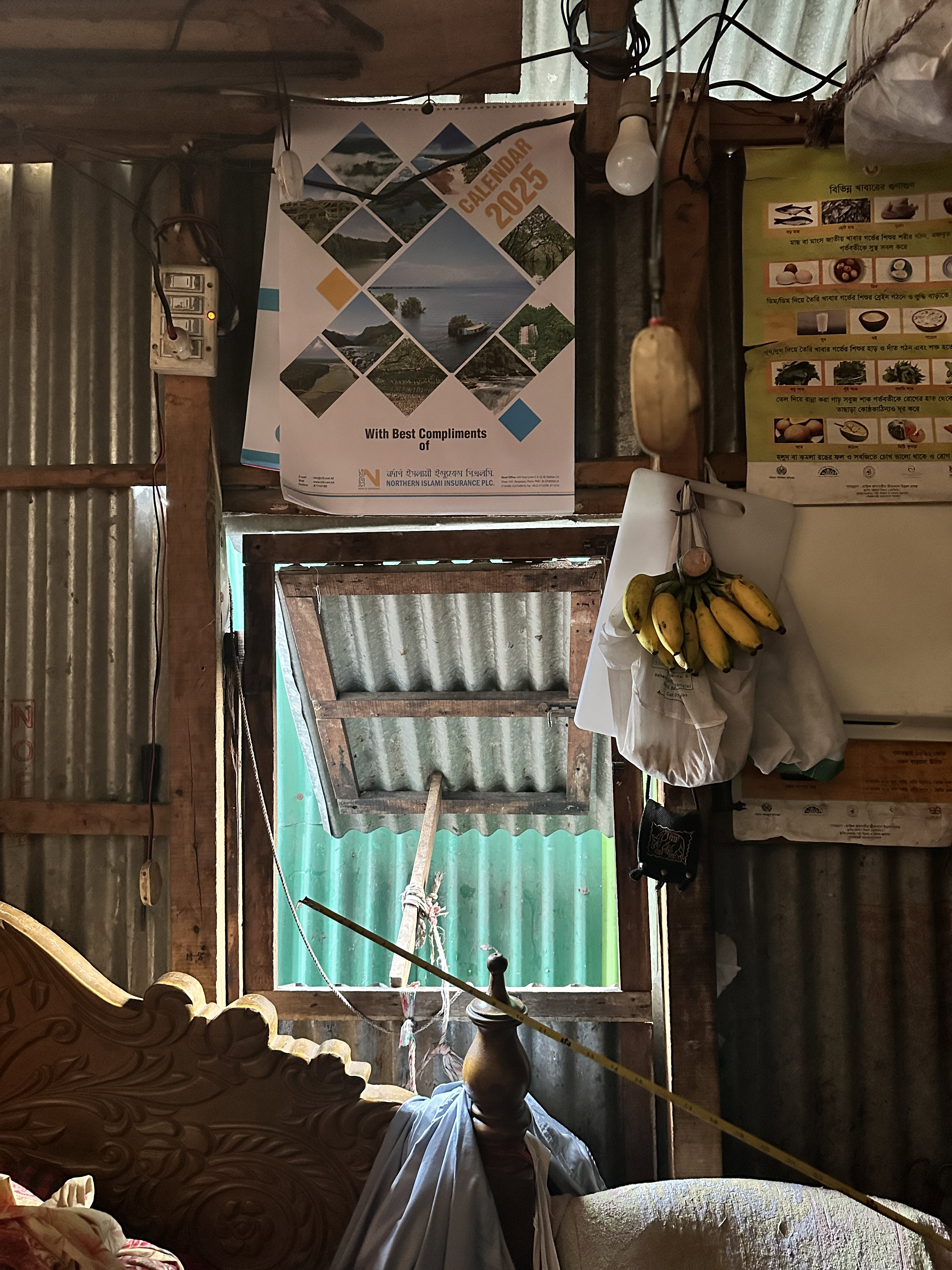
Korail is the largest low-income informal settlement in Dhaka. It is located next to Mohakhali and Gulshan-Banani neighbourhoods with an area of around 90 acres. Gulshan-Banani lake is the shared part for the Korail as well. The settlement in the Korail is very congested and the majority of the houses have no window whatsoever and kitchen without ventilation. This unhealthy setup leads the community from health problems to all negative impacts on living conditions. The community needs an added impetus and a clearer understanding of their current living conditions. Without this awareness, the process would be limited to merely creating physical spaces. Our approach however focused on collective learning and shared education throughout the process.
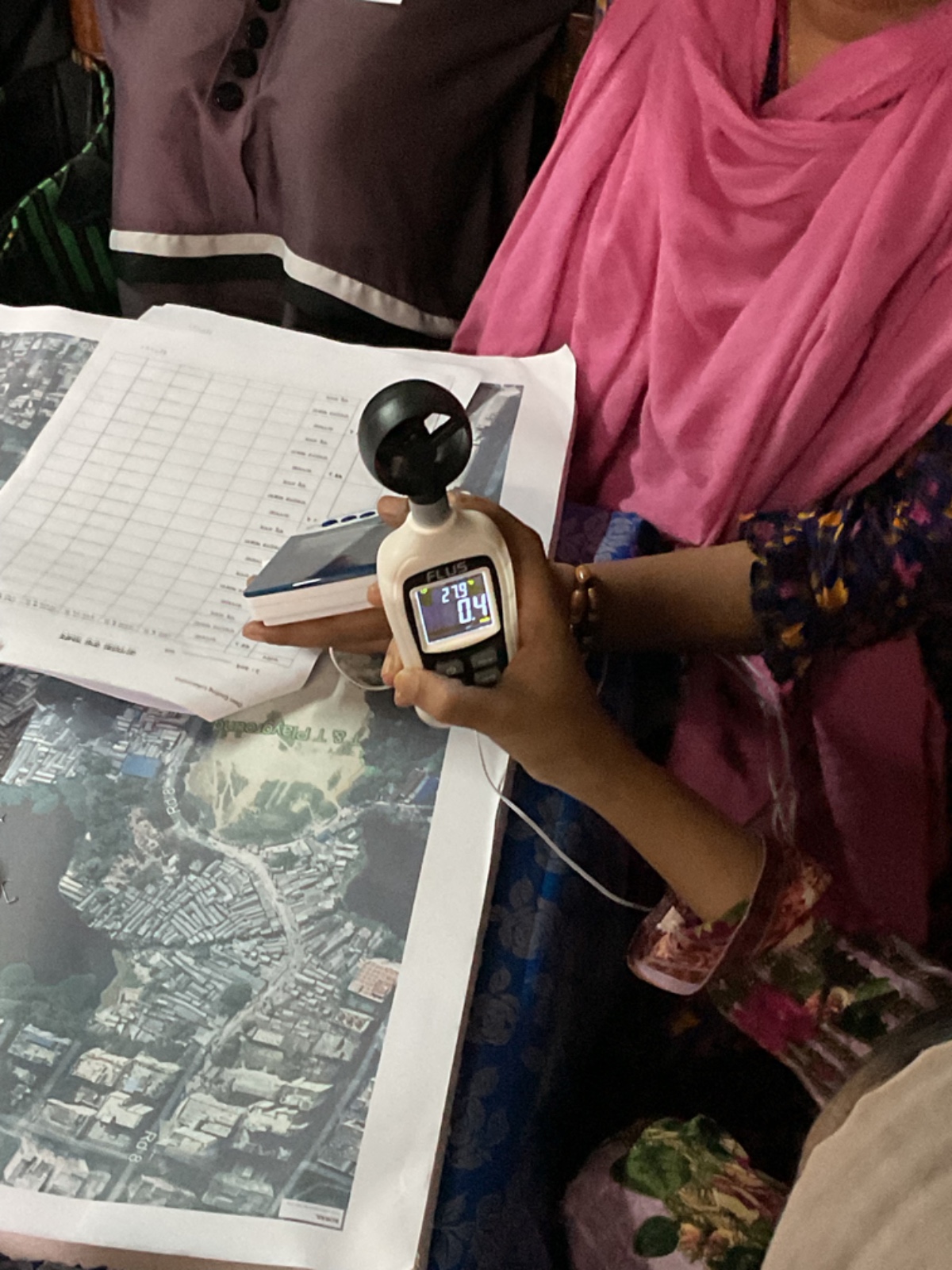
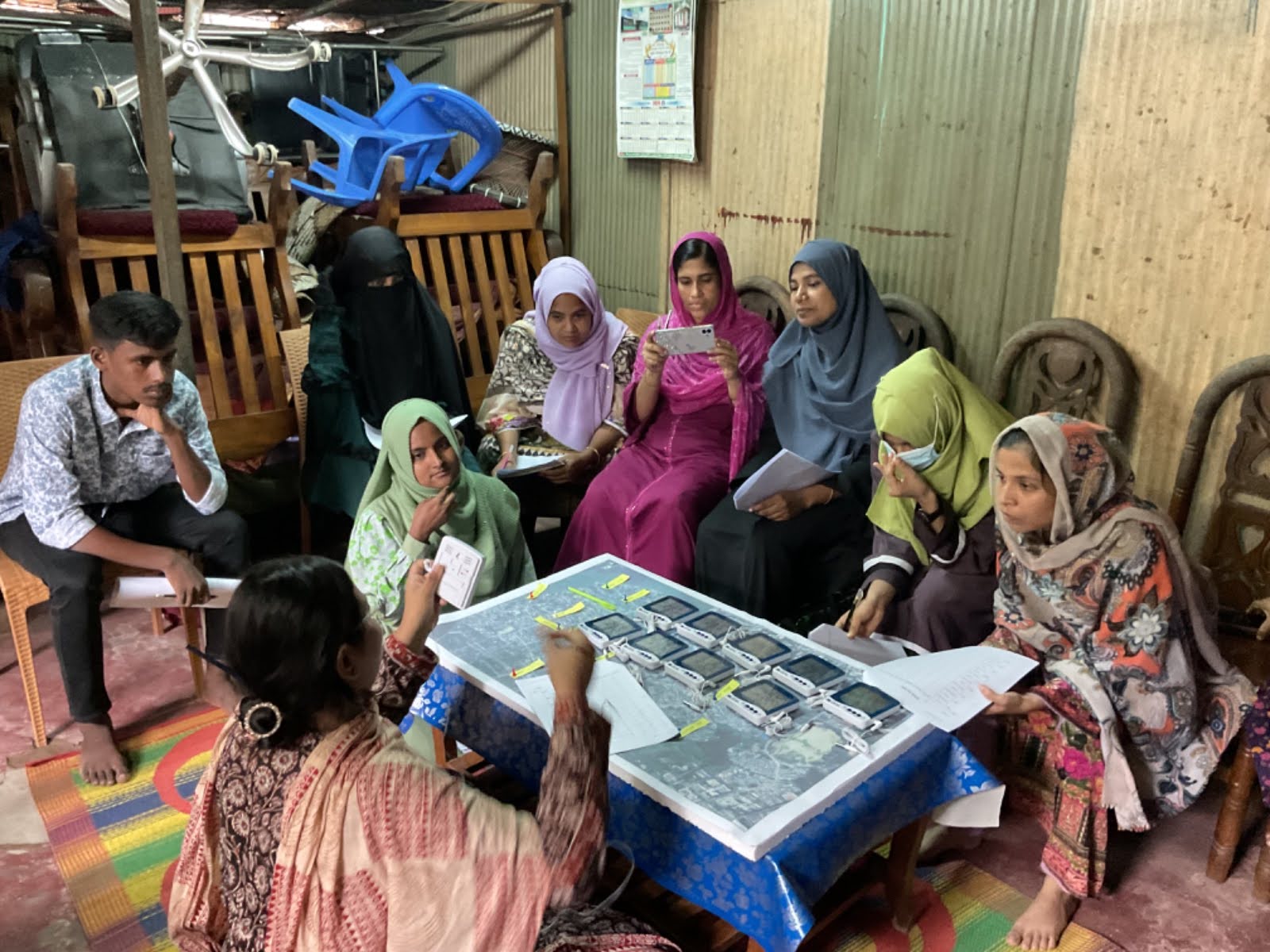
The process starts with several stages where we start our journey sitting with the community people at first. After the icebreak session, we learn to record the temperature of each one’s own homes and various communal spaces by using thermo-hygrometers in Korail. Thereby we can understand the intensity of heat in living spaces and how it varies from place to place since it gives the community a collective comparison with temperature listed. We share our thoughts on the existing conditions and how we can reduce the hitting issues in such congested periphery.
For better perception, we visit another community at Gabtoli Beribadh City Colony in Dhaka. There, we observe how houses can be designed, allowing light and air even in small spaces and we learn from their wonderful experiences. The community visit was a crucial part of this whole process. It gives the Korail community an inspiration of living in healthy settlements together and community knowledge exchange creates a future visualization of what community housing could be in Korail.
Keeping this enthusiastic energy, we form a cooperative group in Korail. The community makes models to show the dream design of their homes and to assess the costs where we incorporate various techniques to make the houses well-lit and airy. The community then shares design ideas with models and learns from each other.
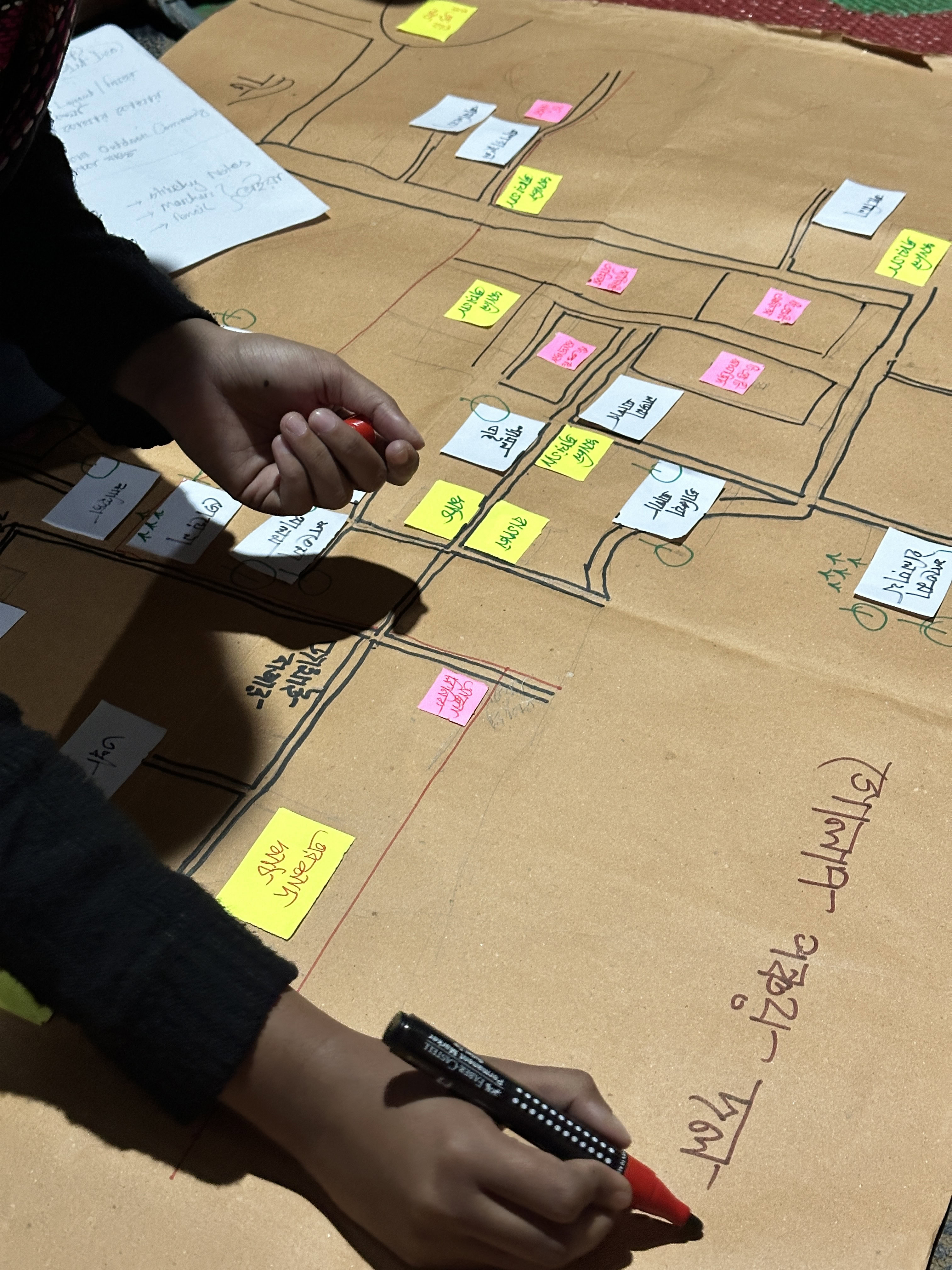
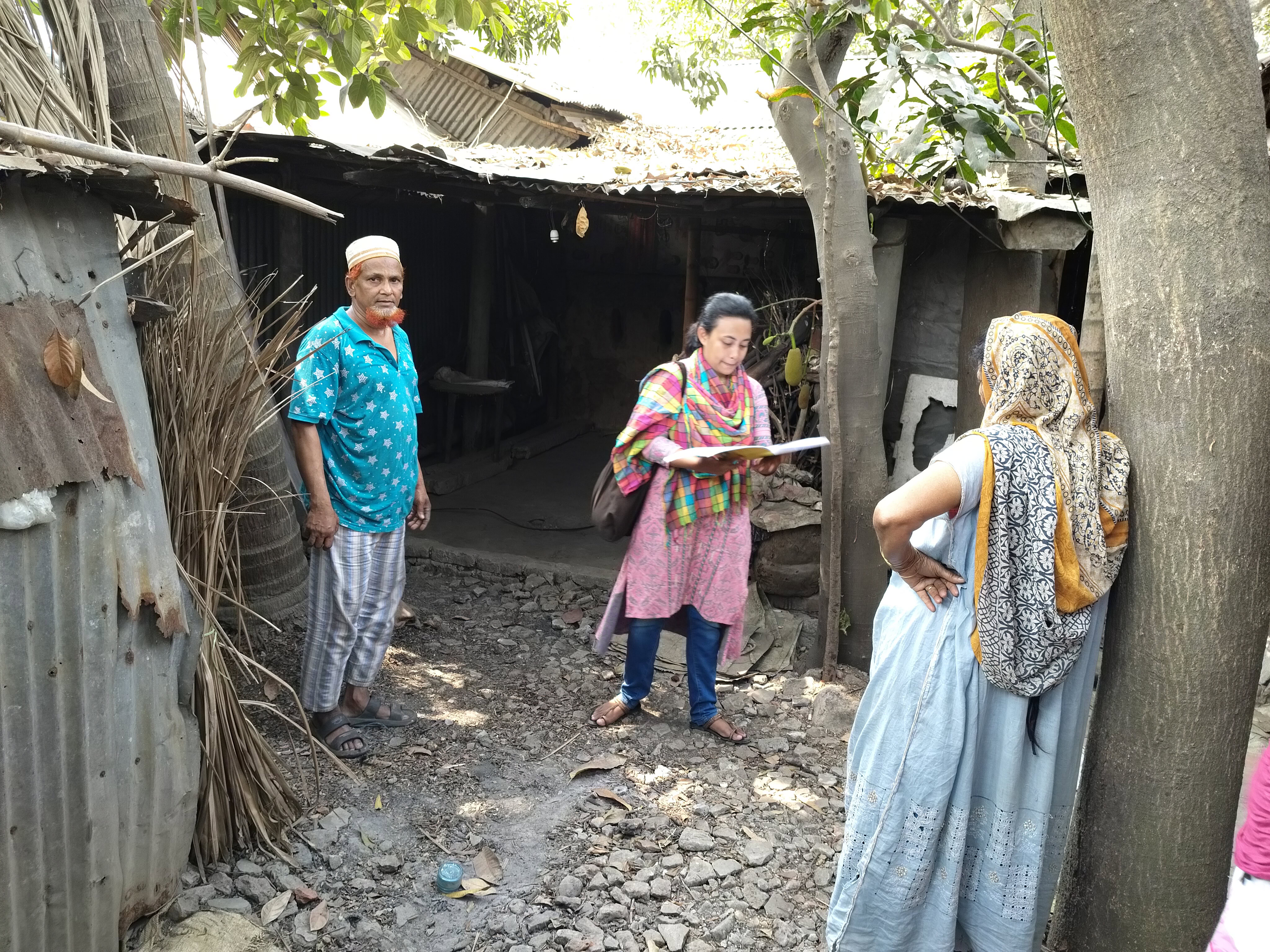
In another session, the community identified various issues within their living environment through a mapping workshop while also documenting the settlement conditions of each family. This process enabled us to identify the households in the most vulnerable conditions and assess readiness to begin construction. Continuing the process, we established a savings group within the community comprising 20 families to support house construction, based on shared priorities and needs.
Funds disbursed through the savings group are provided to households partly as an interest-free loan and partly as a grant. Households repay 75% of the total project cost as an interest-free loan in the saving group, while the remaining 25% is covered as a grant. In addition, households contribute 2% of the total project cost as a maintenance fee to support the savings group. The loan repayments collected through the savings group remain within the community, allowing the group to build shared wealth and support other households or undertake future collective initiatives together.
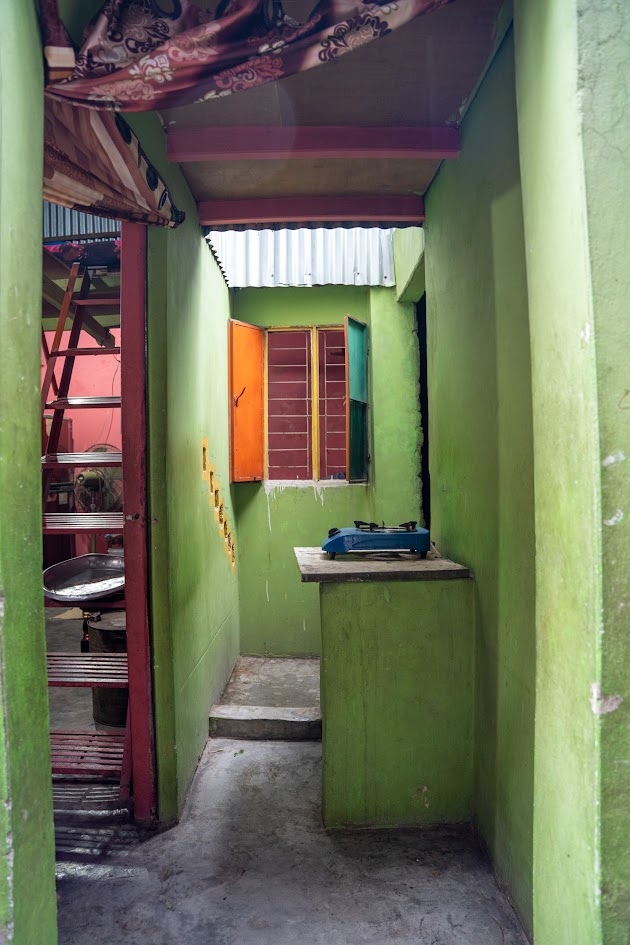
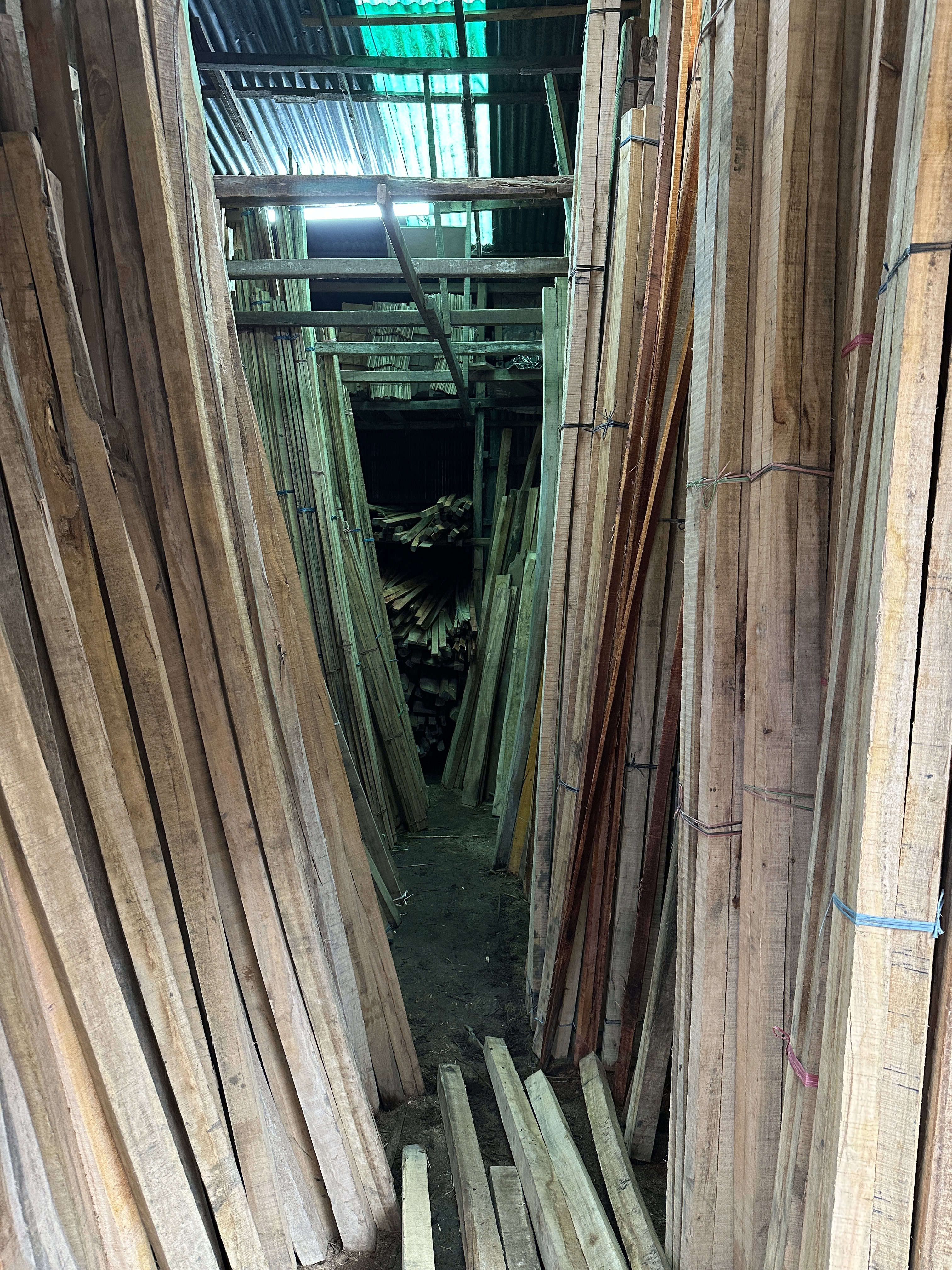
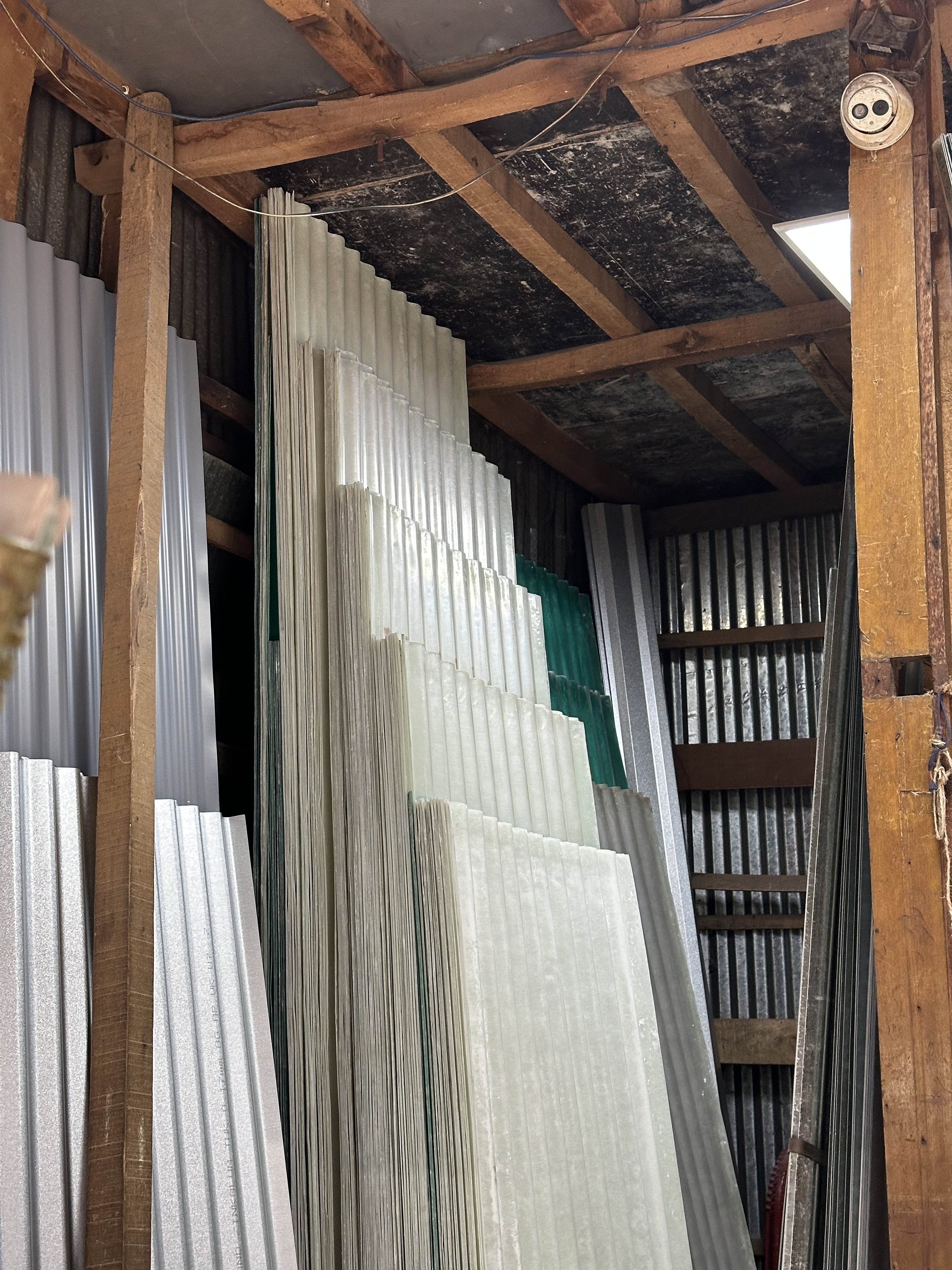
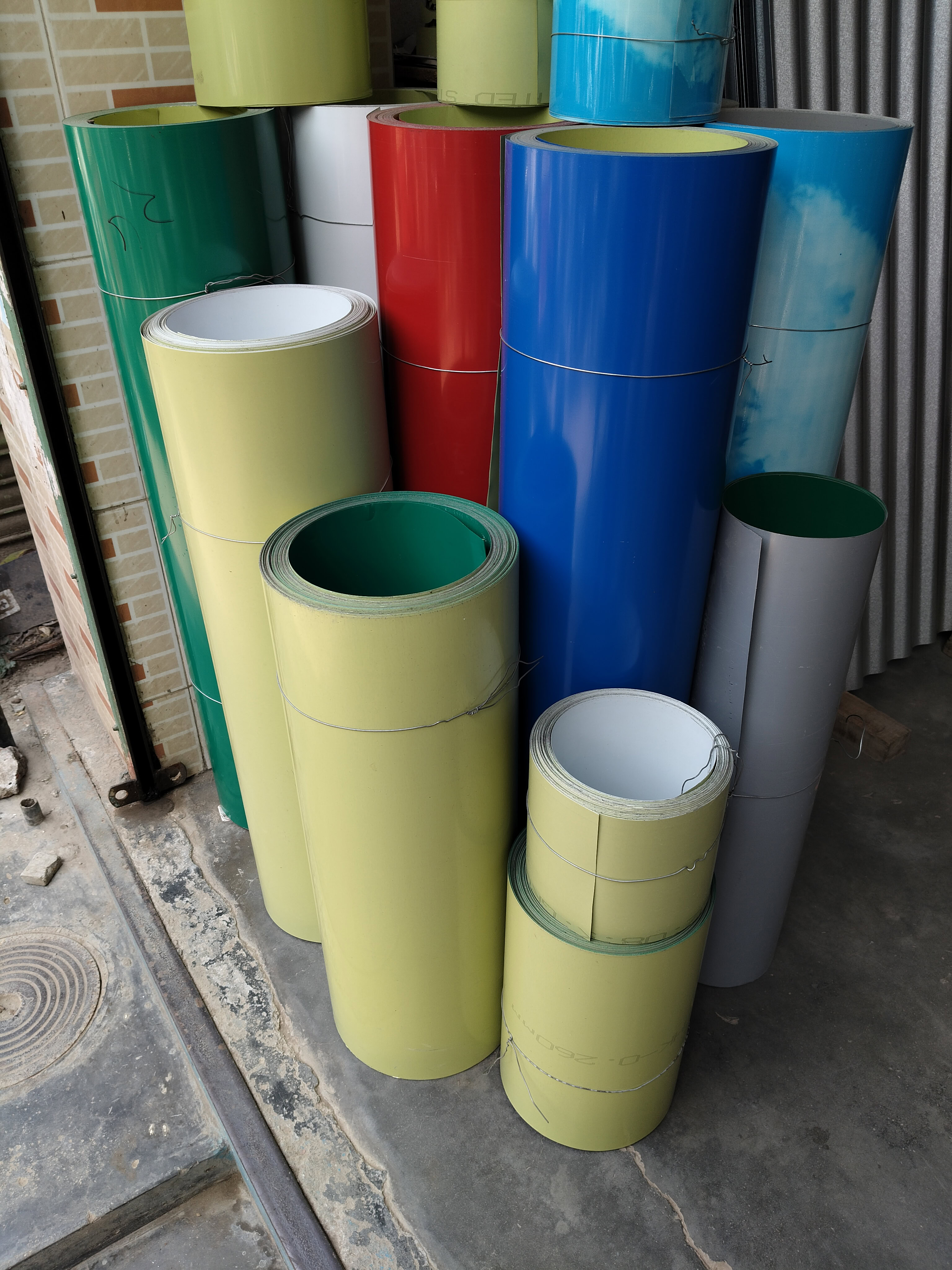
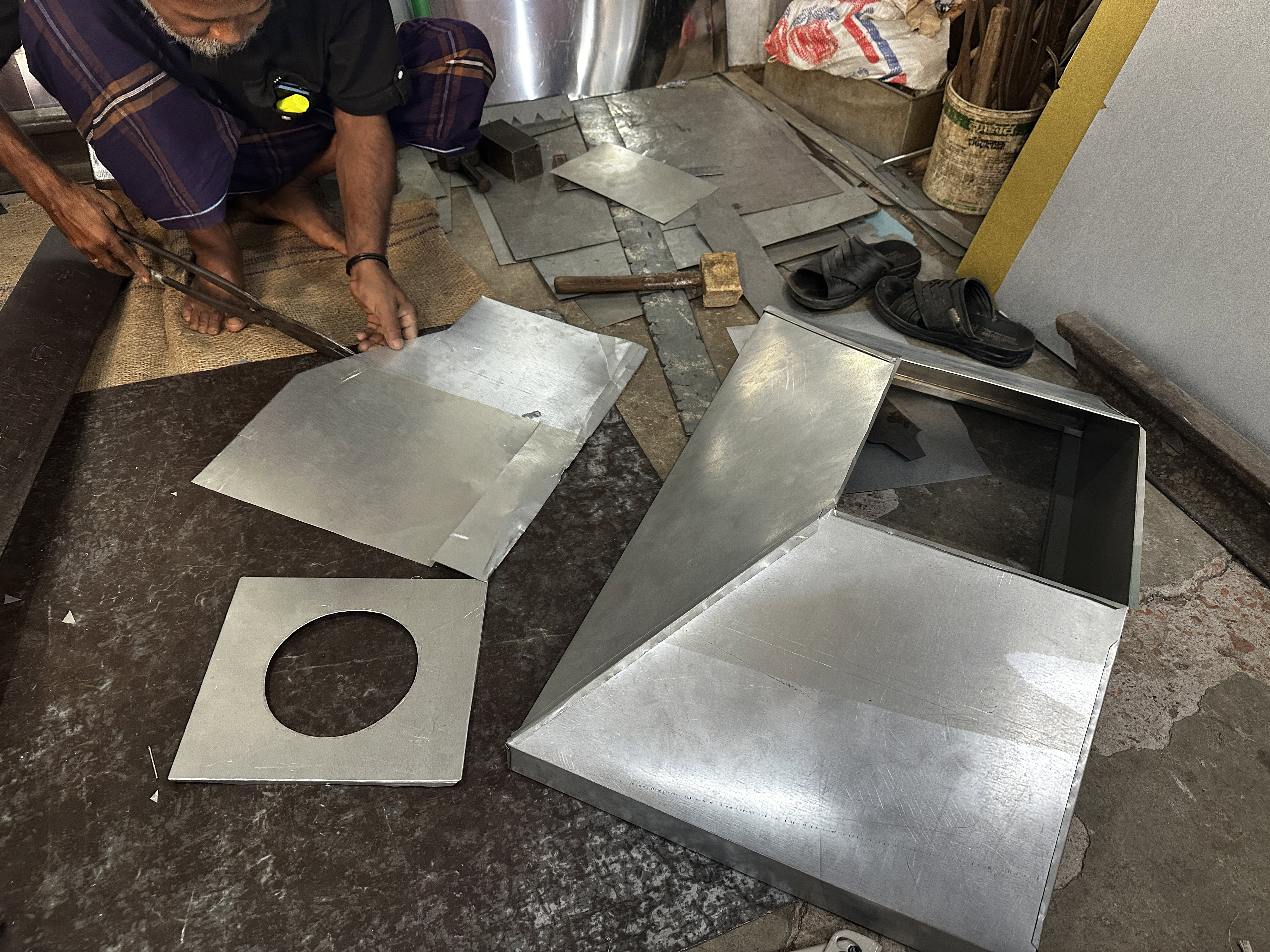
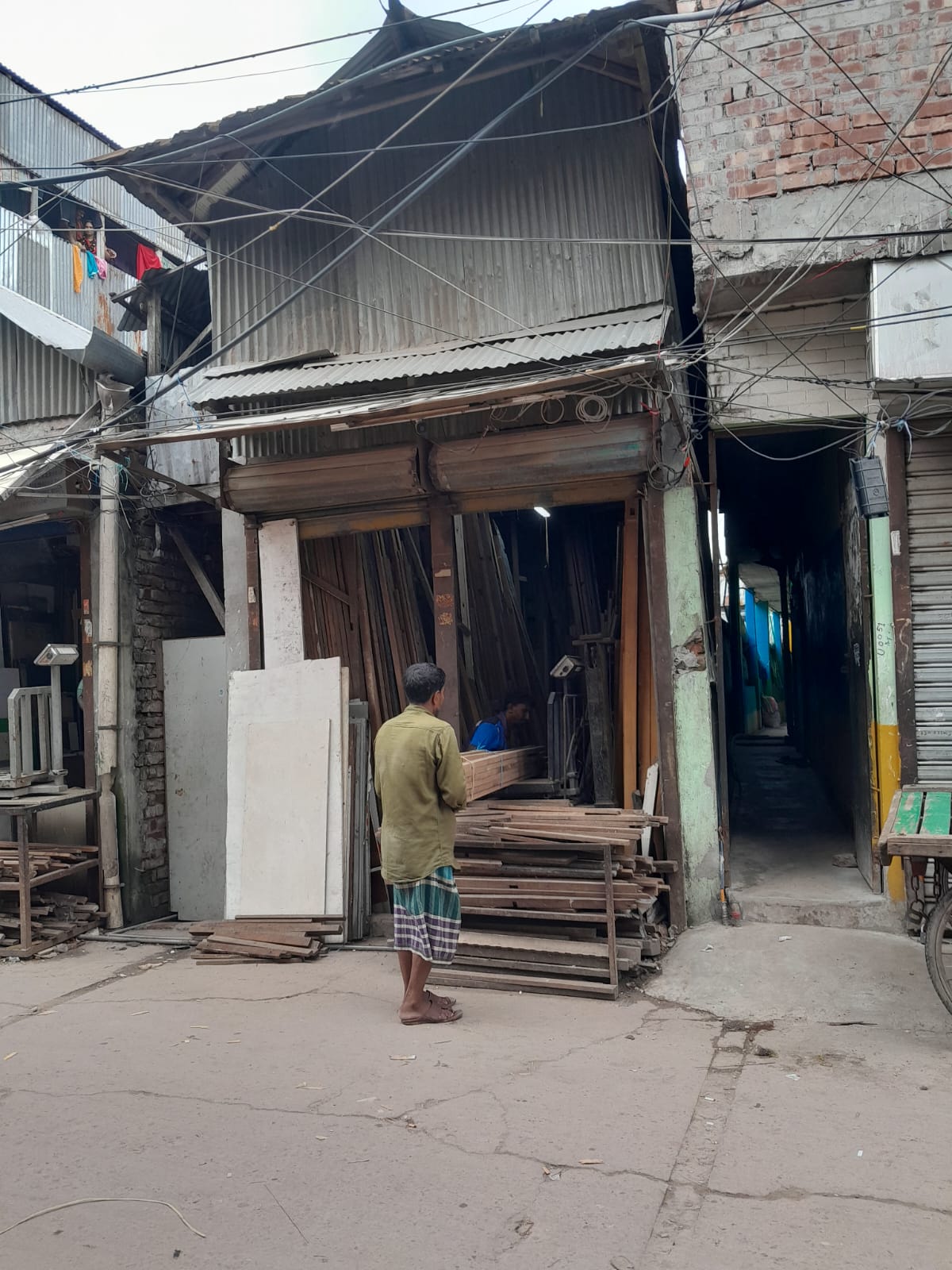
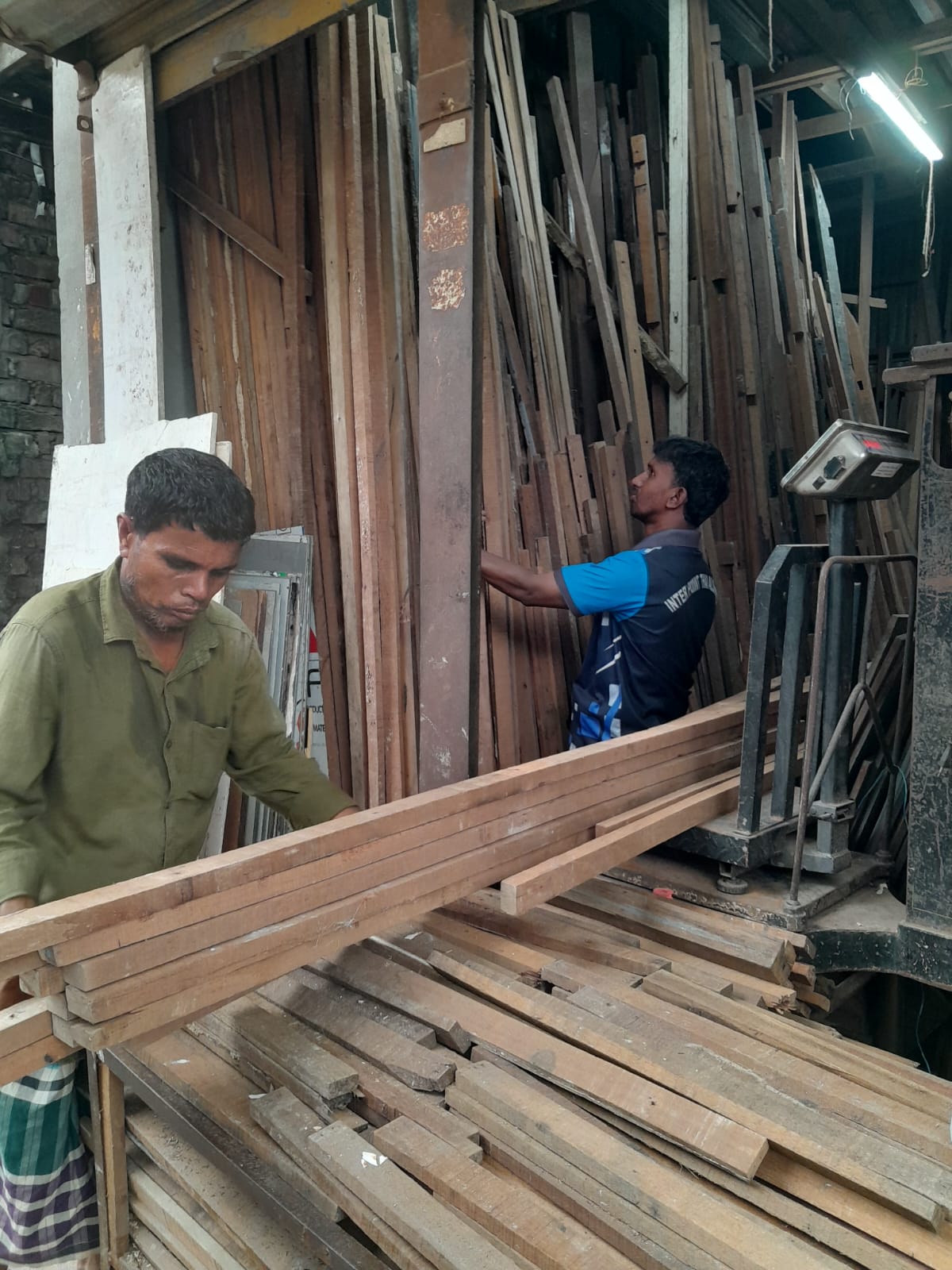
For the implementation part, we design homes based on current conditions and uses (such as kitchen and living space), incorporating various strategies to reduce heat. Since hot air can not pass through the space, our main focus was how to improve internal air circulation. We begin our work in two ways in this process. One process is followed when a family wants to re-imagine their home completely from the ground up. Another process is when certain modifications are made to the house to ensure proper light and air passing. Once the design is provided and mutual opinions with the house owners are exchanged to a decision, we begin the construction work. From choosing labours to purchasing material, family members get full engagement with the whole making process. So, instead of being limited to just building houses; a sense of unity, new ideas, and beautiful relationships develop among us.
Outputs:
Collaborator:
Platform of Community Action and Architecture(POCAA), Clean Cooling Collaborative(CCC), Co.Creation. Architects (CCA), Nogor Abad, Gram Bangla Unnoyon Committee (GUC), Asian Coalition for Housing Rights(ACHR)

POCAA (Platform of Community Action and Architecture) – A platform where people from different backgrounds with the interest of working for low-income communities engage with each other.
© Copyright Platform of Community Action and Architecture (POCAA) – All right reserved.